for Fast-Growing Fiber and Biomass Plants in Arzl, Tirol
March 2025
one of the most important things in cultivation: planning which seeds to choose, when to sow, how deep and in which distance.
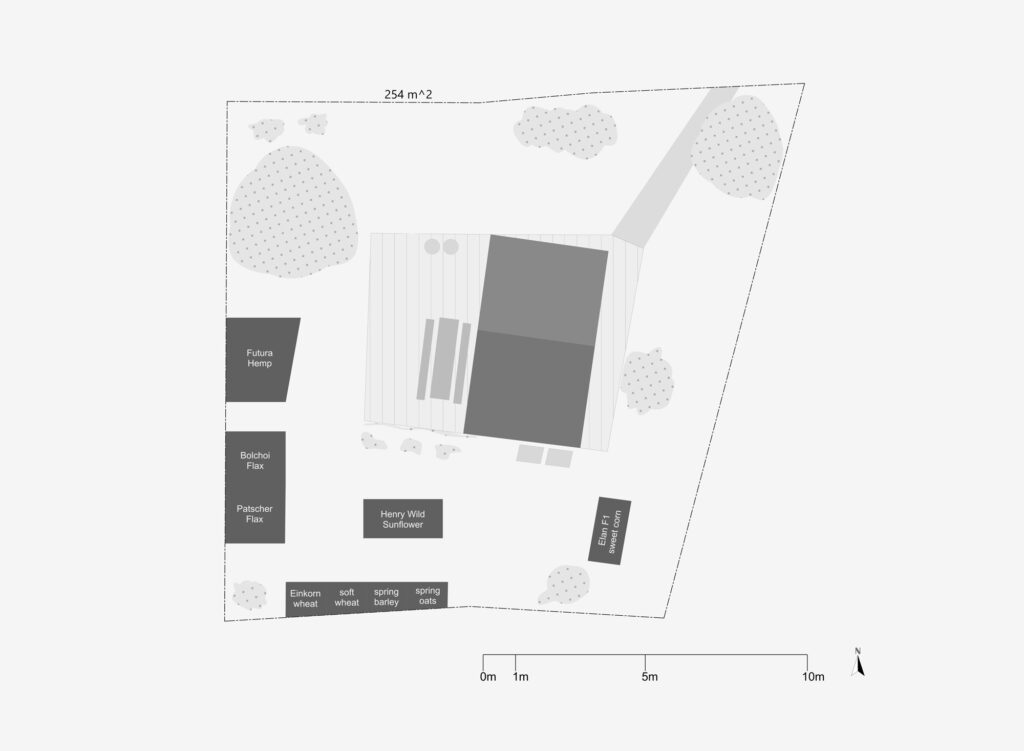
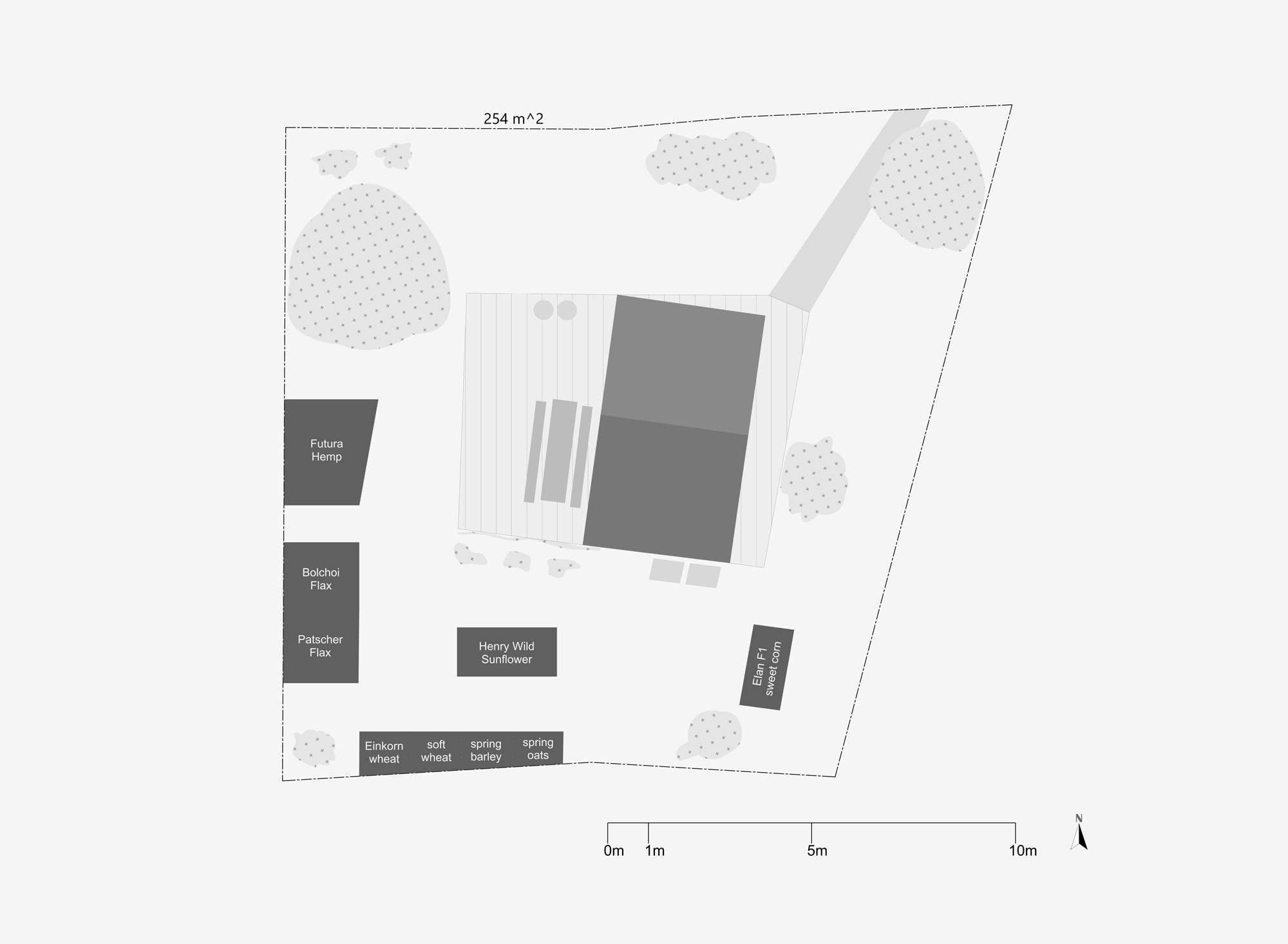
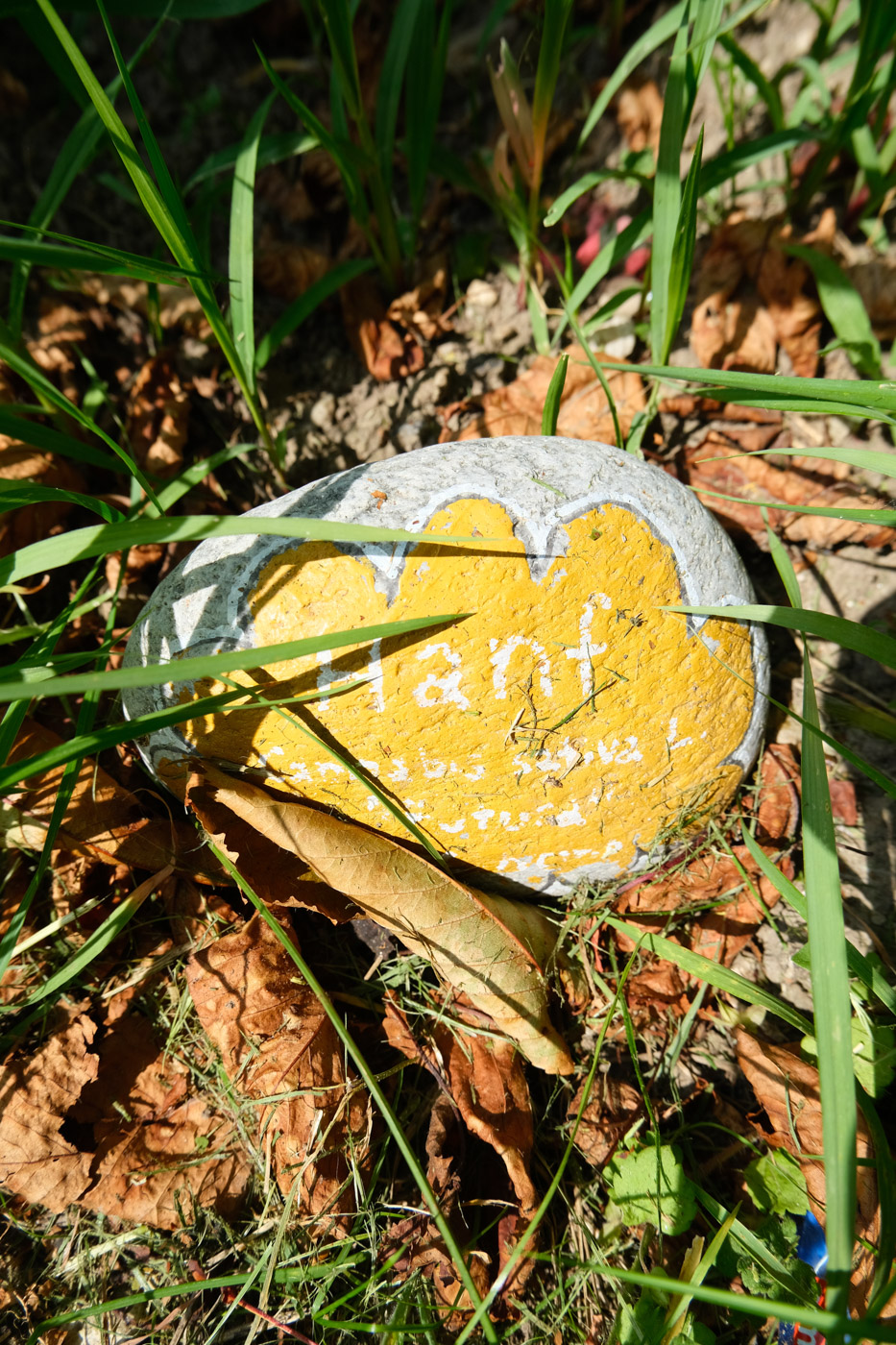
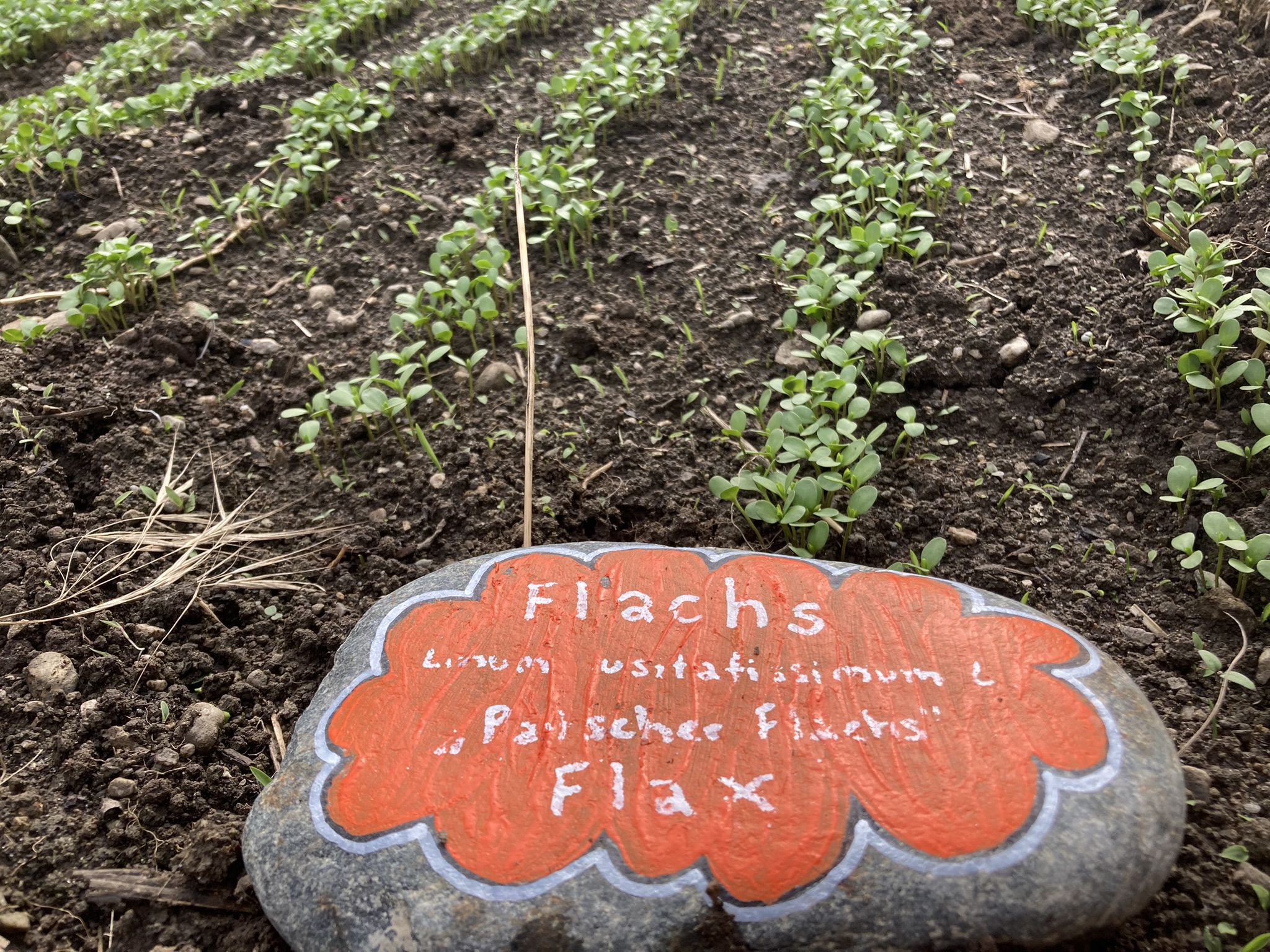
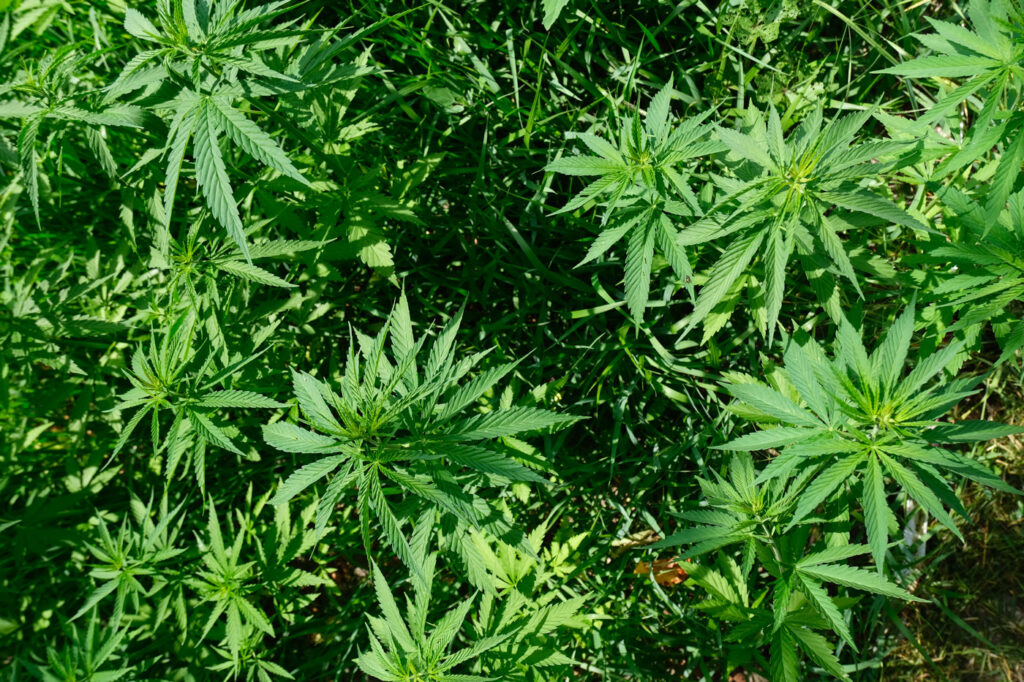
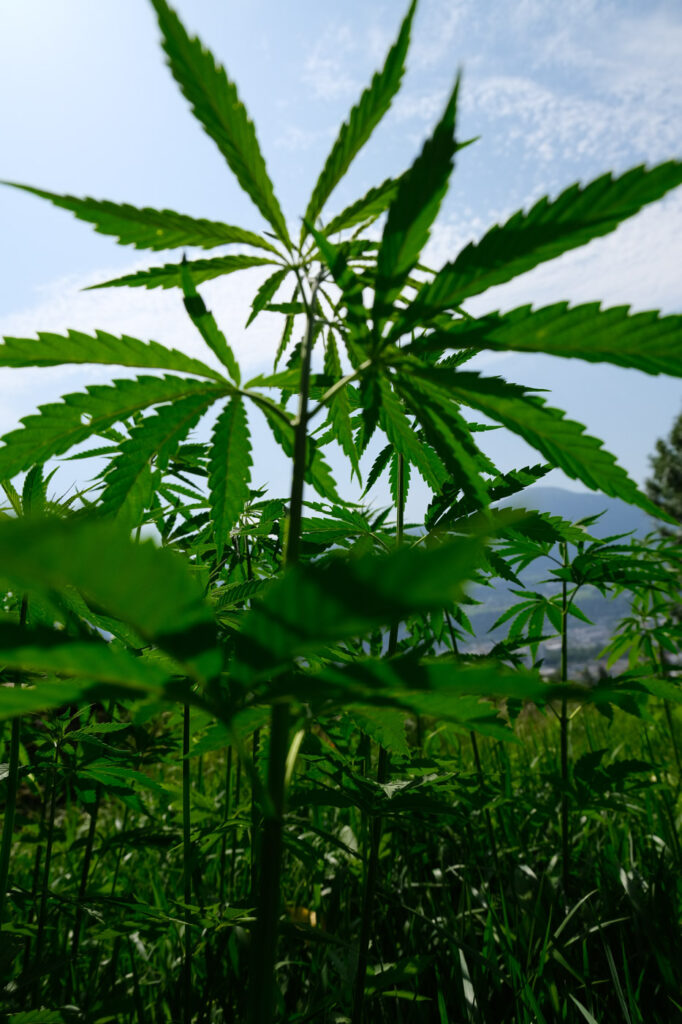
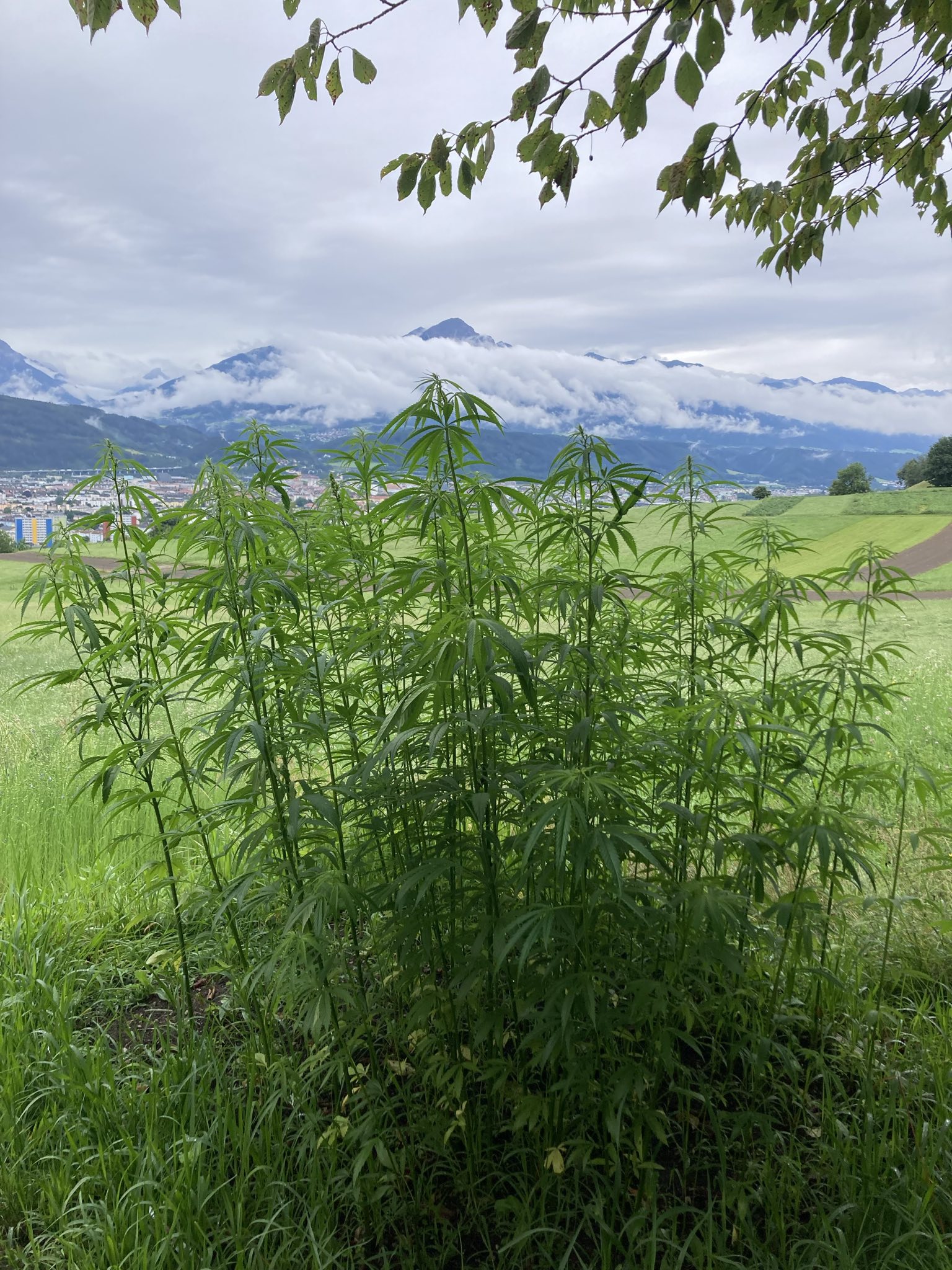
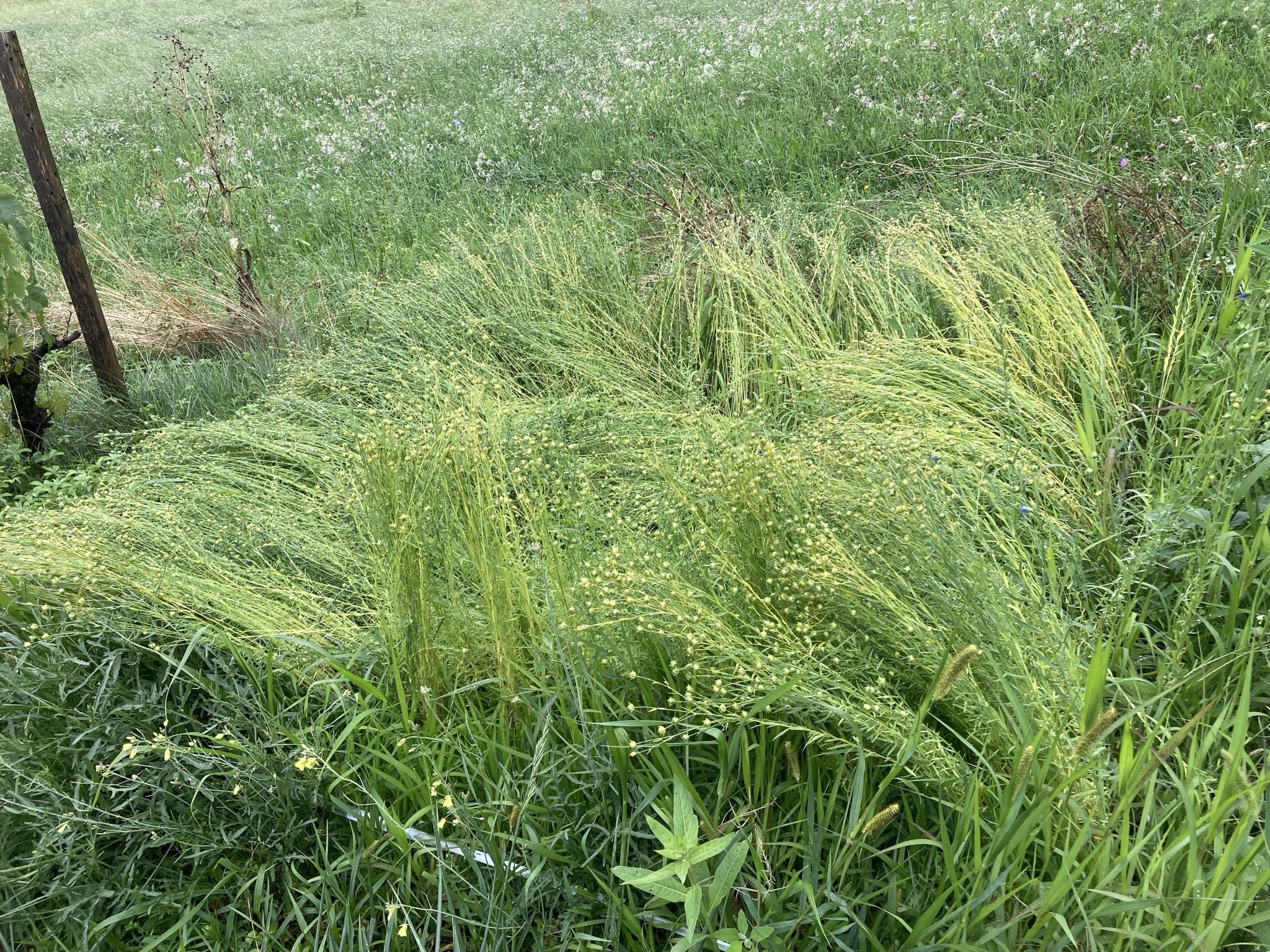
The selected plant varieties – “Futura” hemp, “Bolchoi” flax (Linificio), “Patscher” flax, “Henry Wild” sunflower, “Elan F1” sweet corn, as well as common wheat, spring barley, spring oats, and einkorn – were chosen to represent a broad range of widely cultivated agricultural crops. Using these species provides results that can later be applied to a wider spectrum of crop plants.
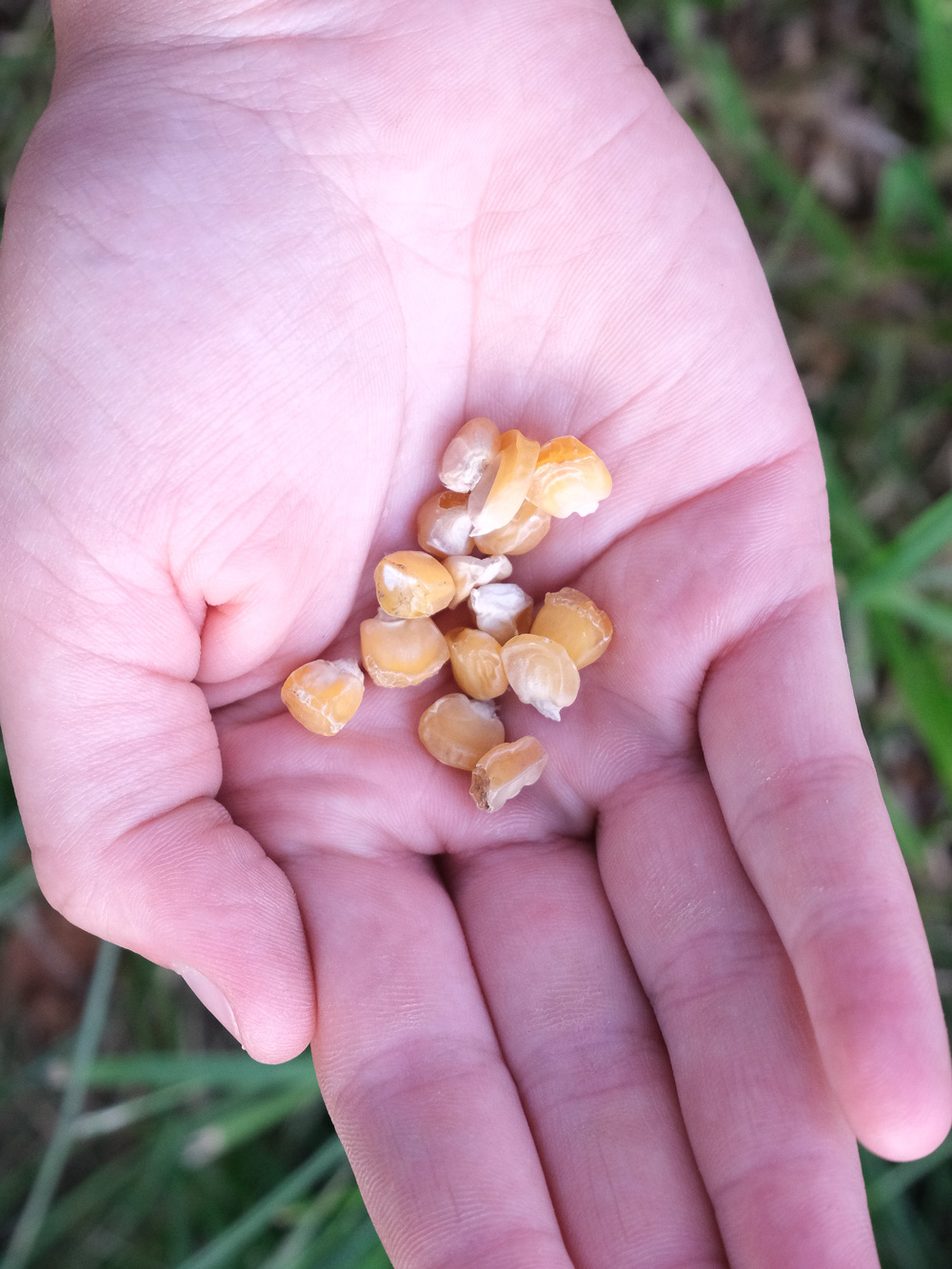
Sweet Corn (Zea mays L.)
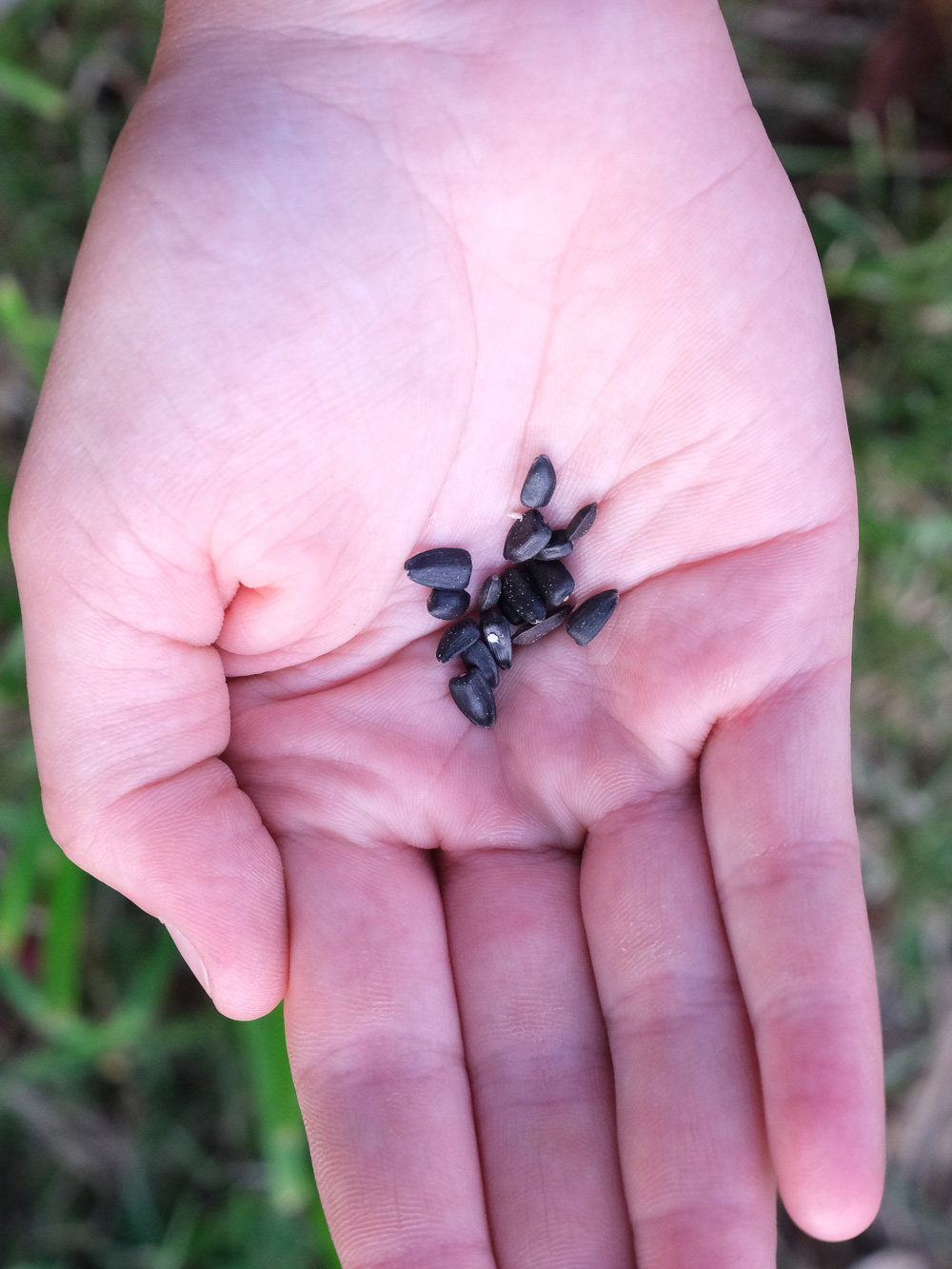
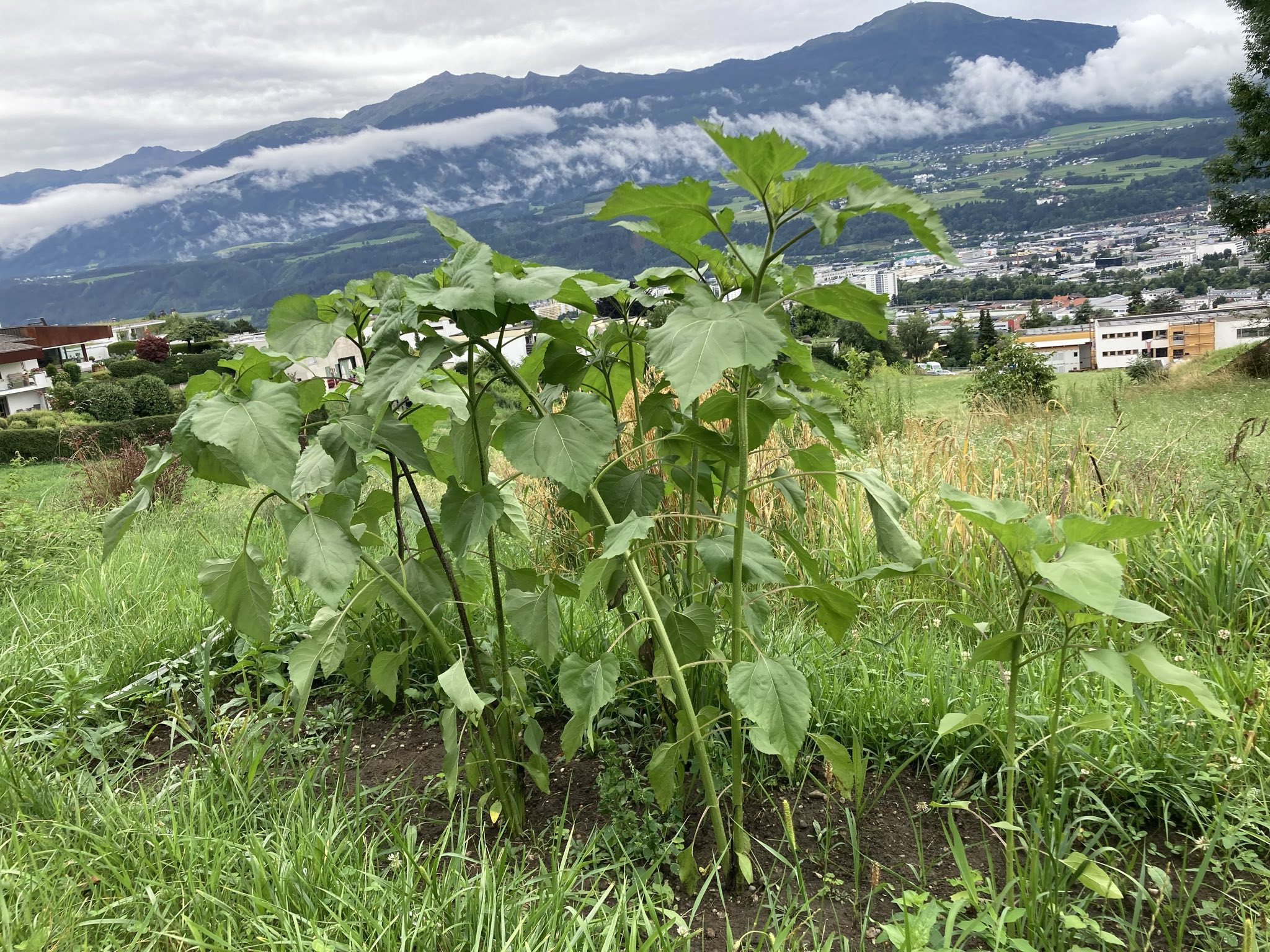
Sunflower Henry Wilde (Helianthus annuus)
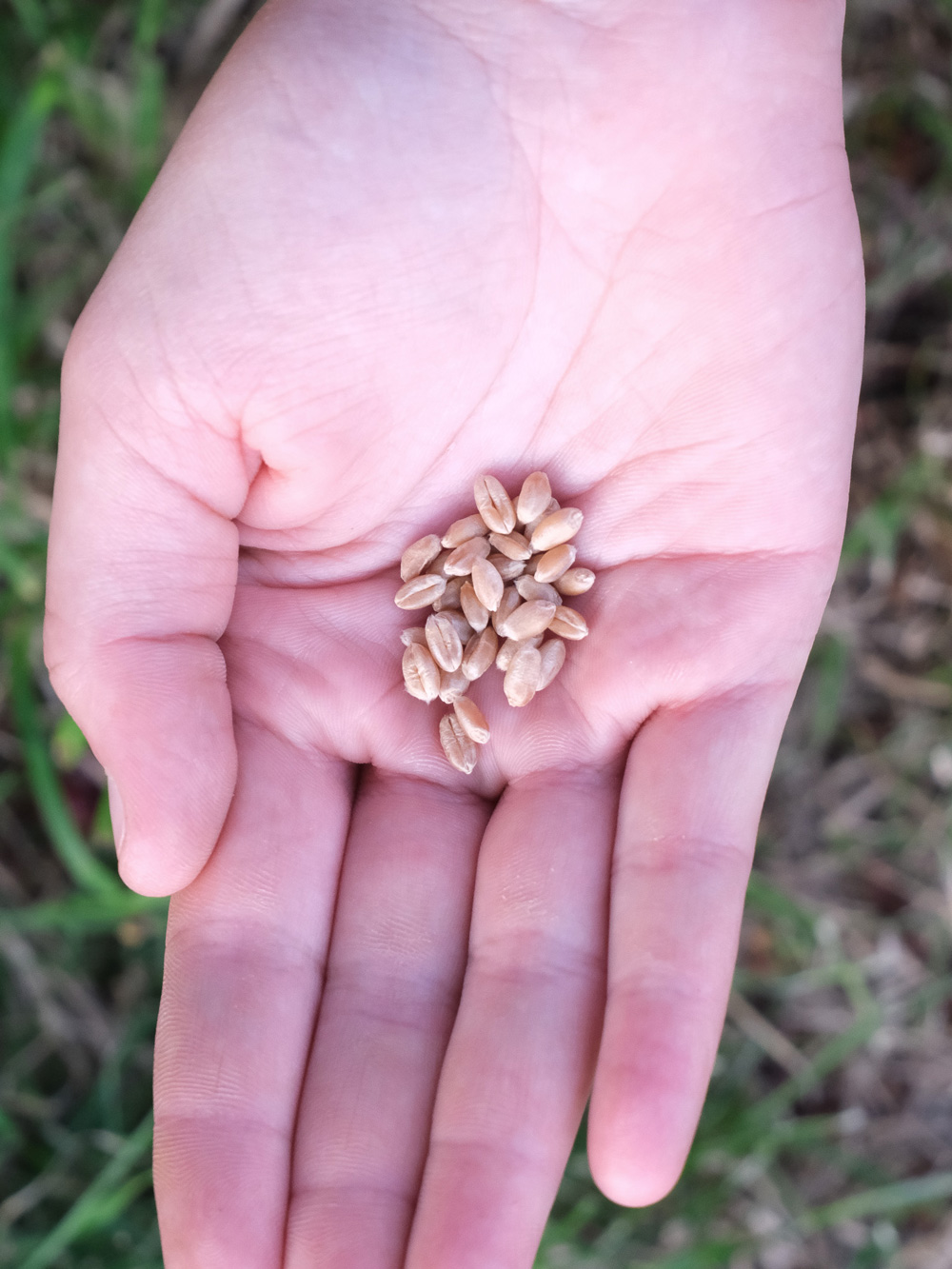
Common Wheat (Triticum aestivum)
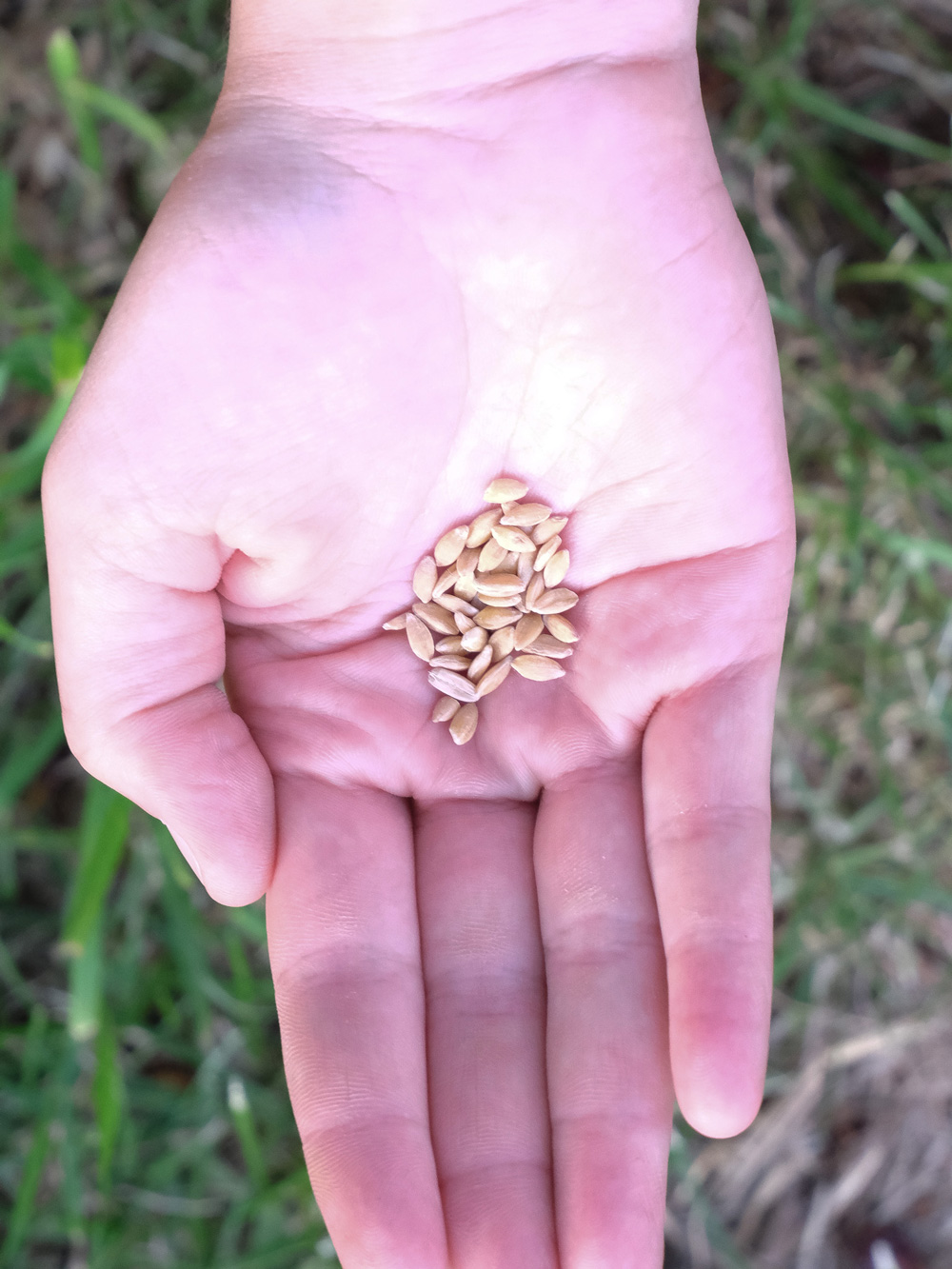
Einkorn Wheat (Triticum monococcum)
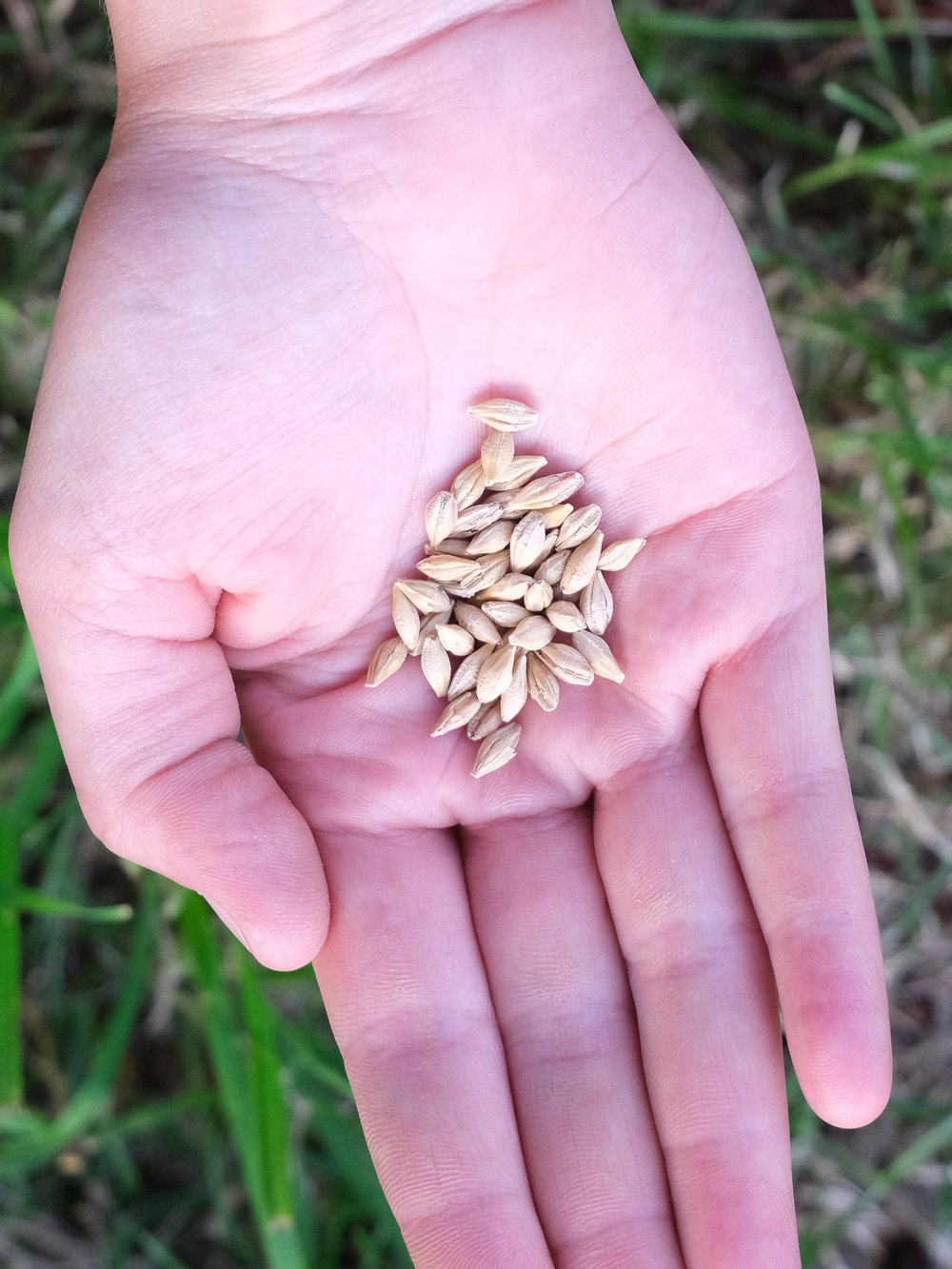
Summer Barley (Hordeum vulgare)
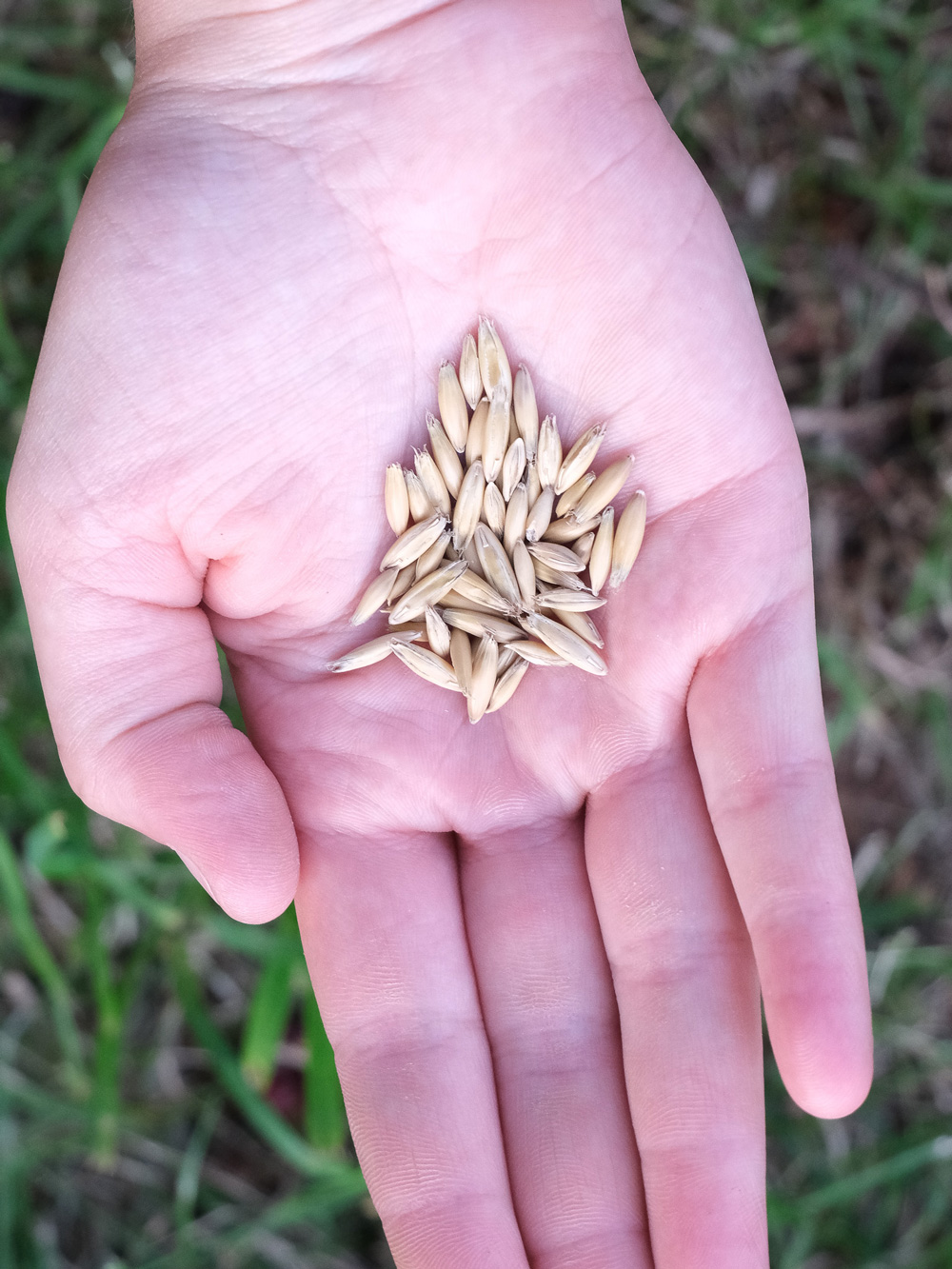
Summer Oats (Avena sativa)
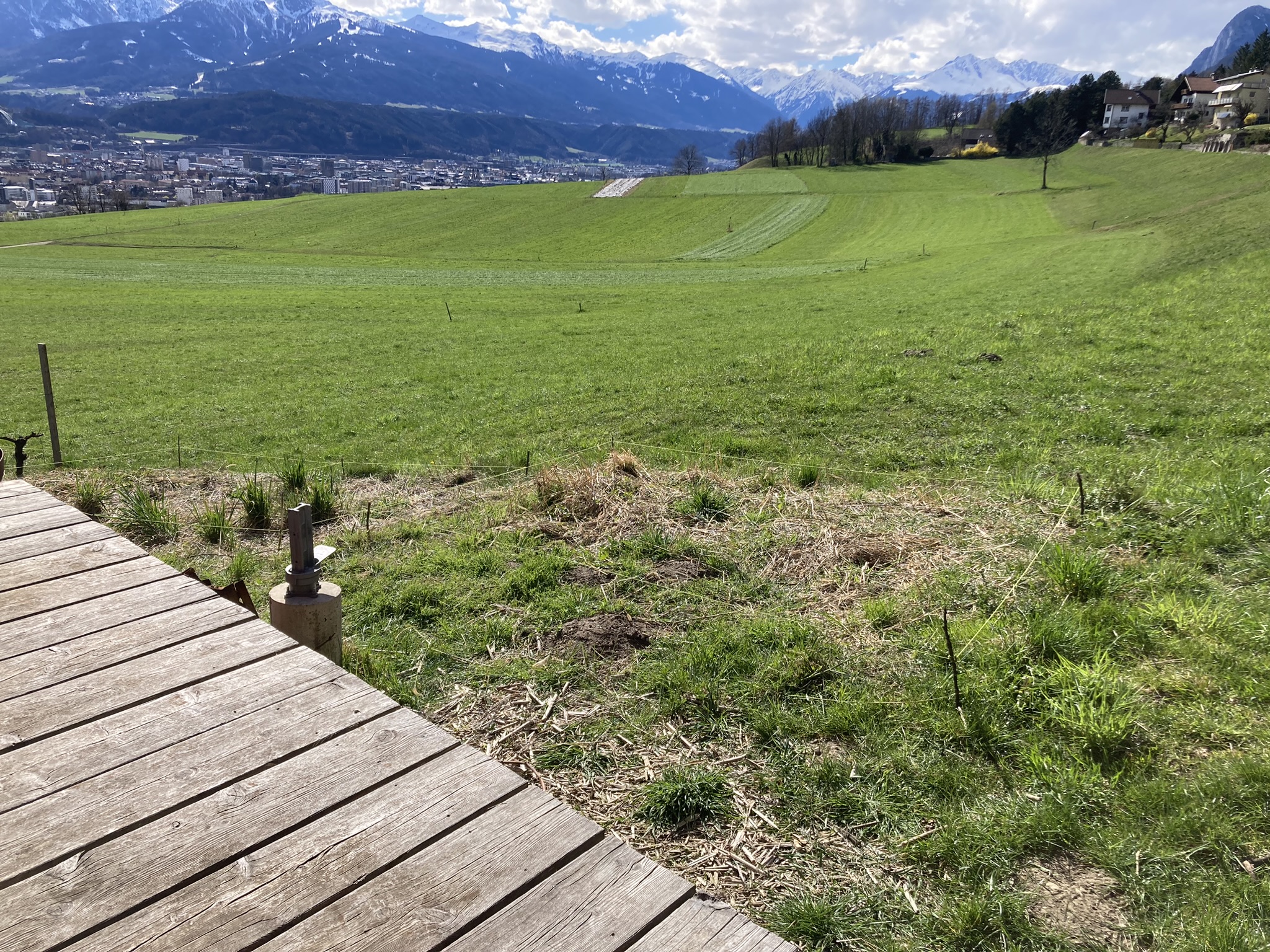
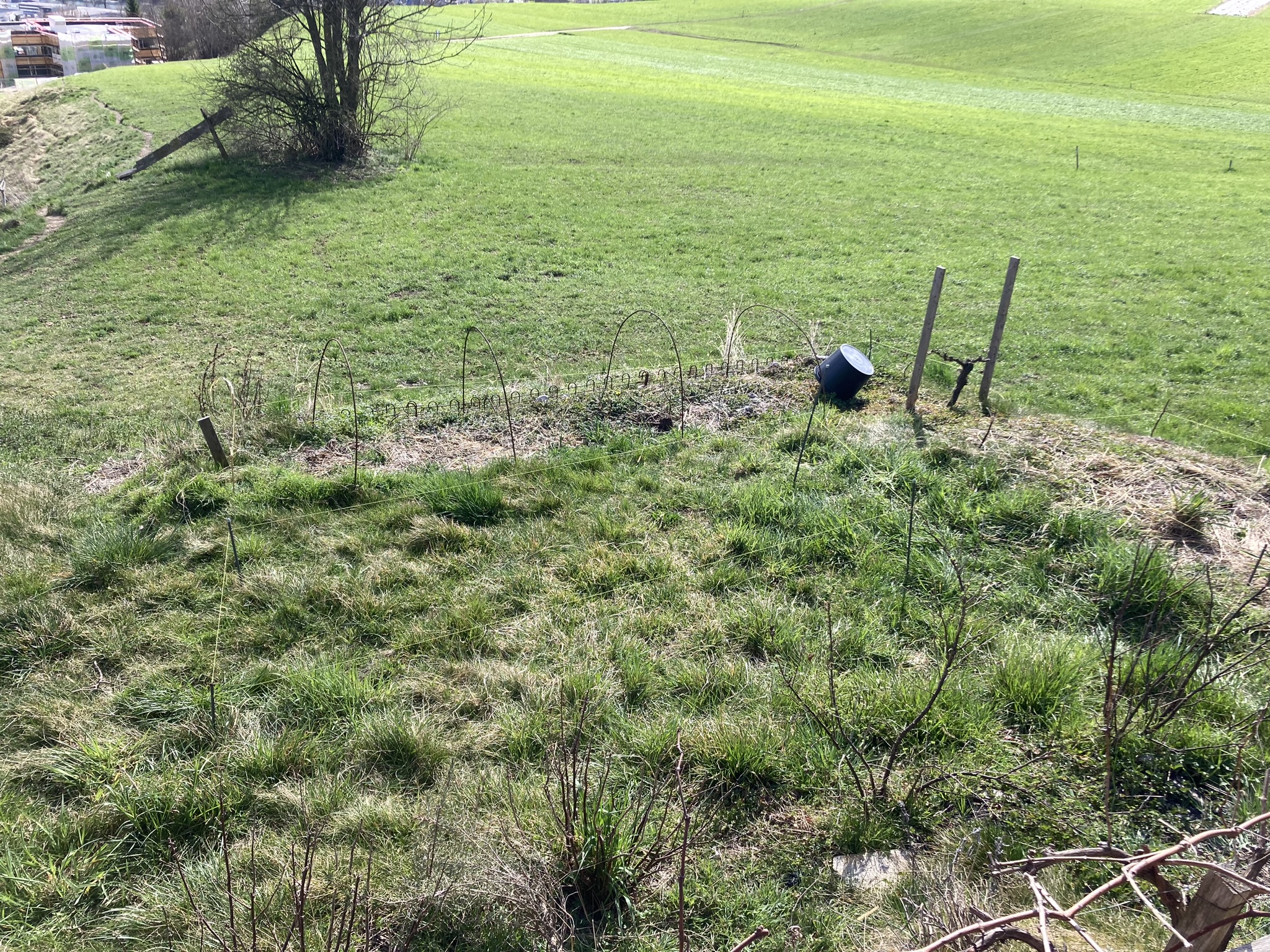
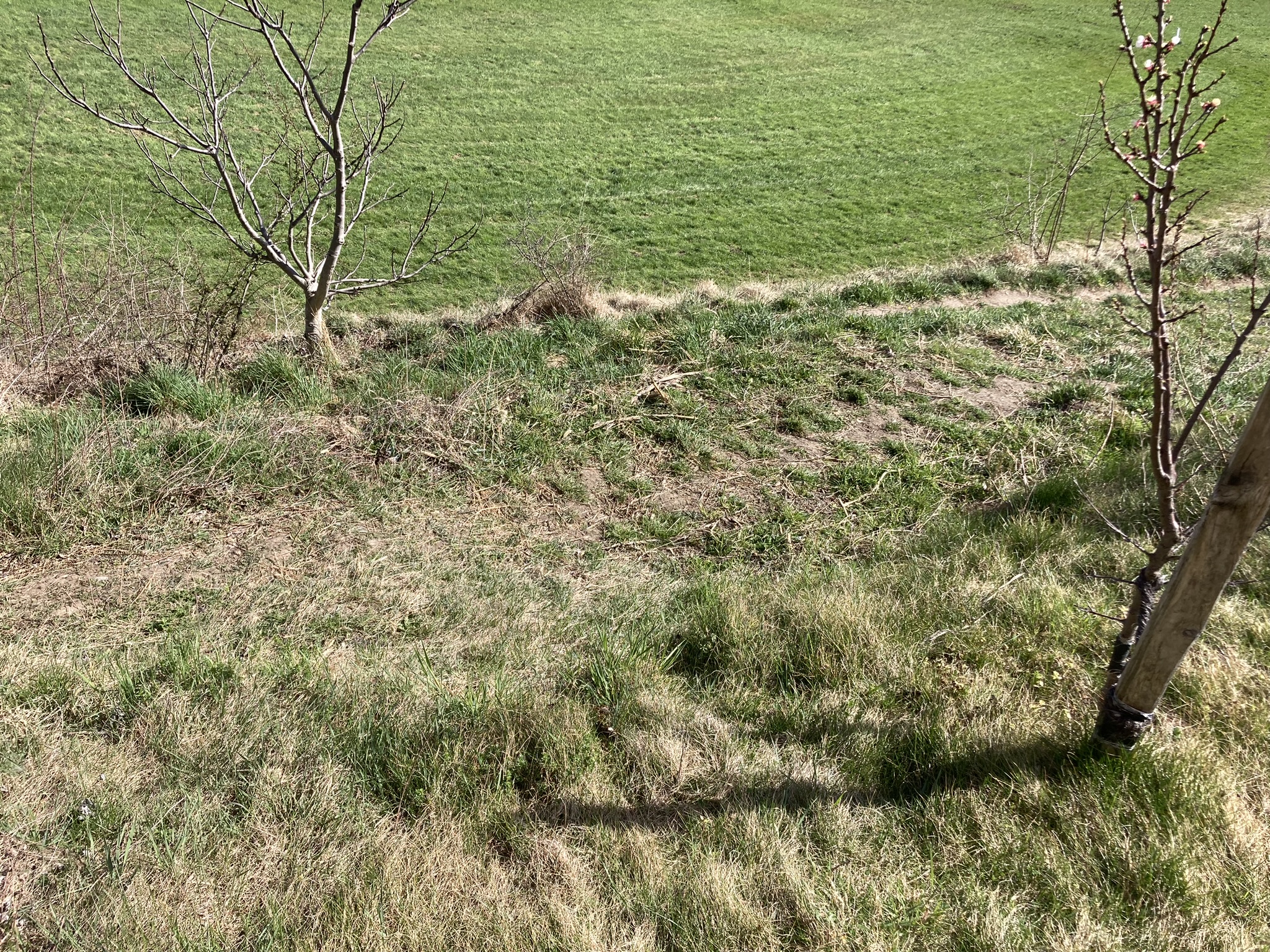
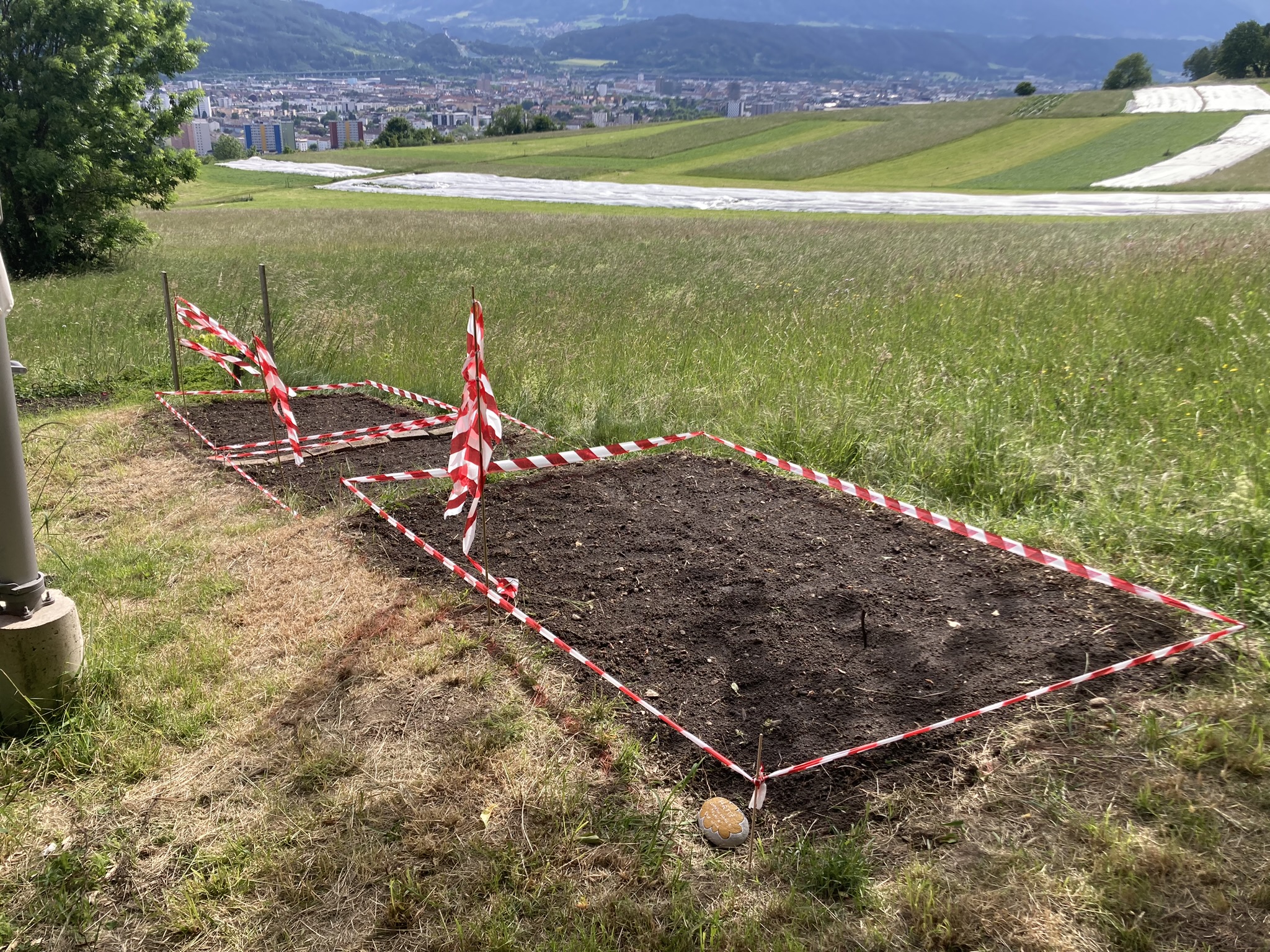
before cultivation
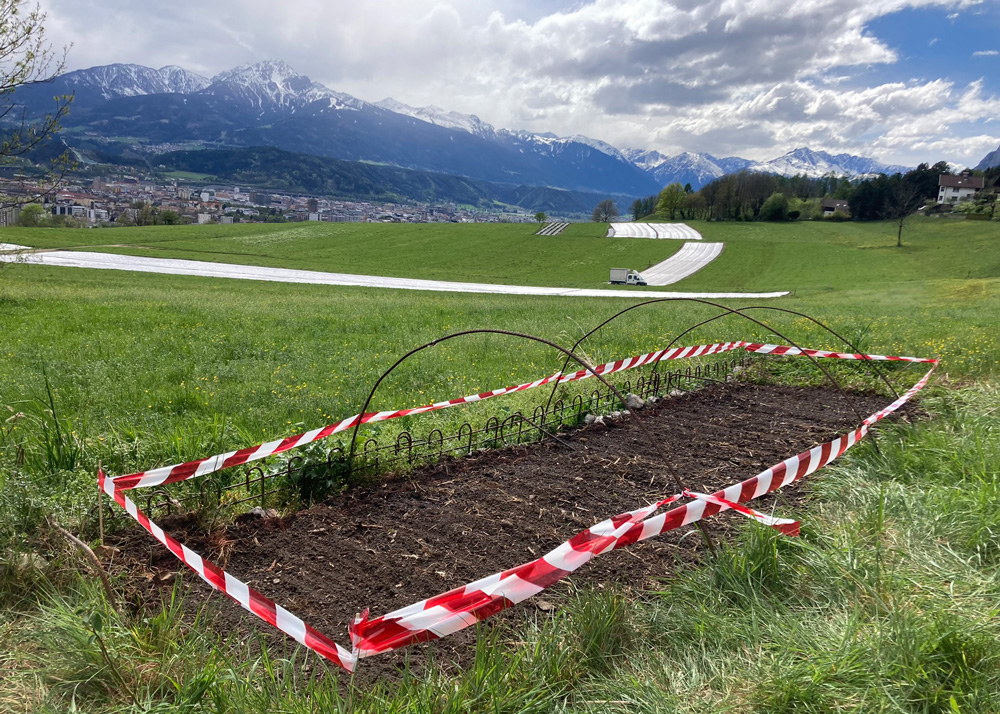
In the initial phase of the project, five experimental fields were prepared for cultivation.
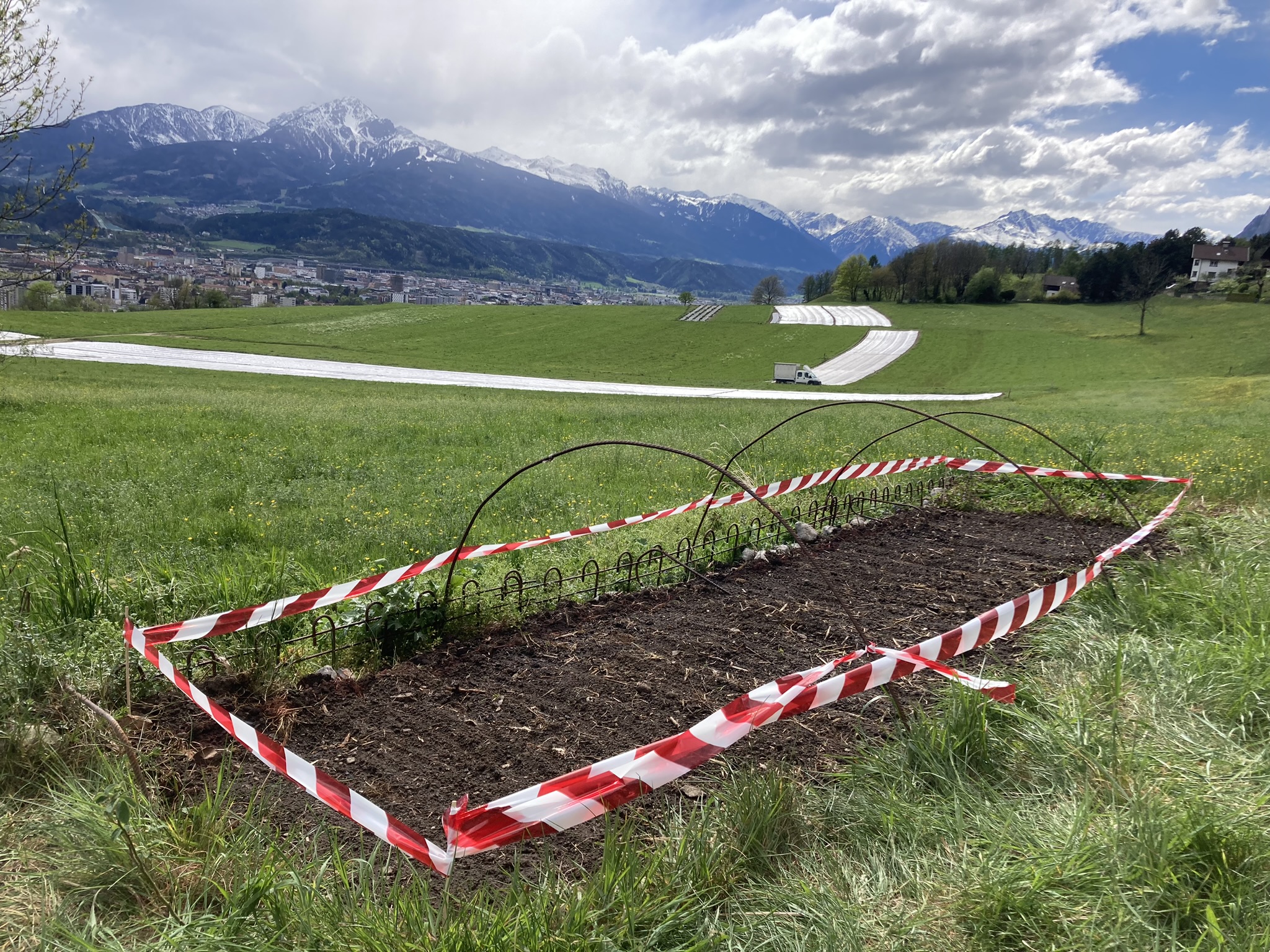
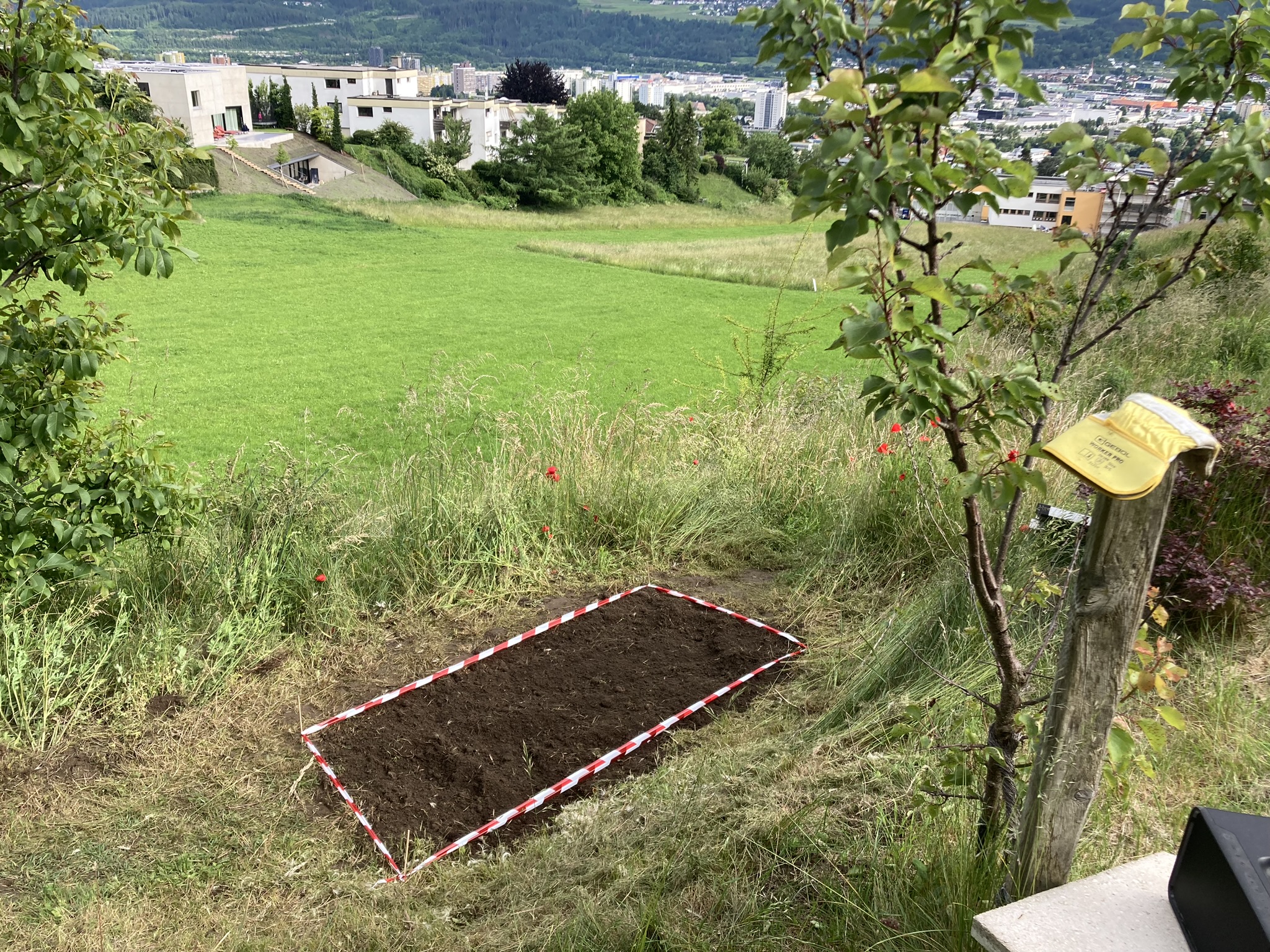
after preparation
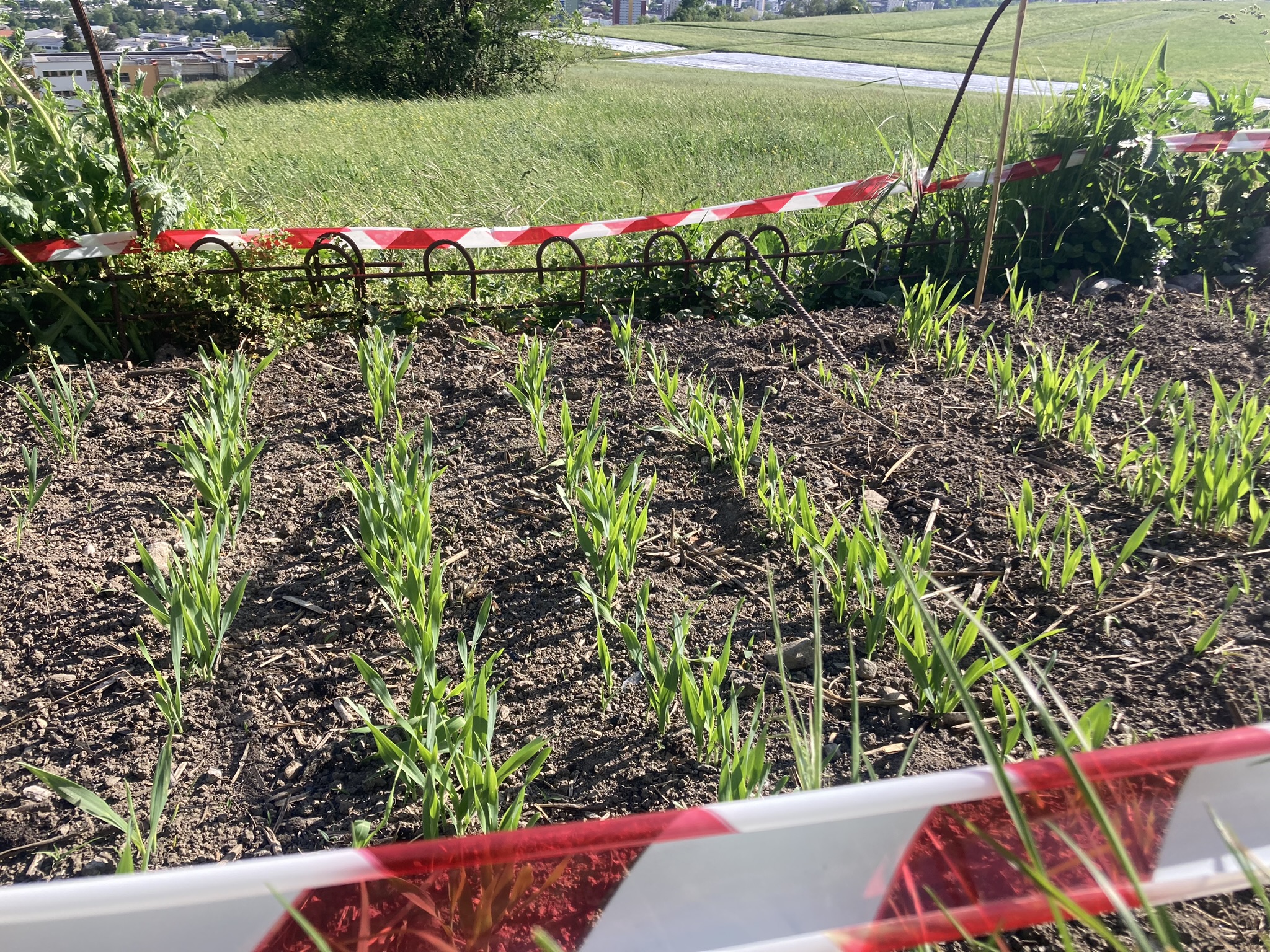
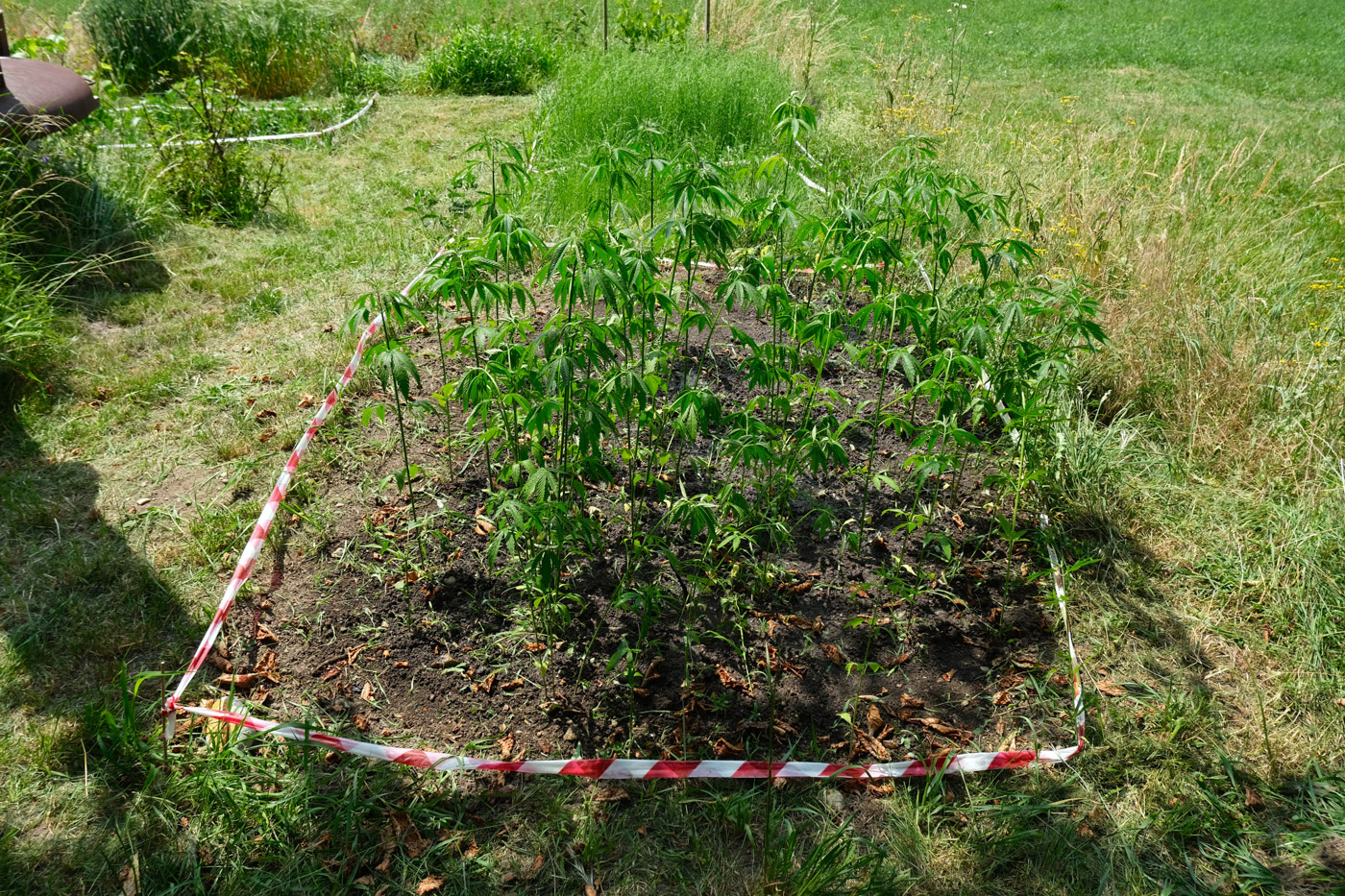
The plots were tilled, mixed with compost soil, and clearly partitioned to ensure controlled and reproducible research conditions.
April 2025
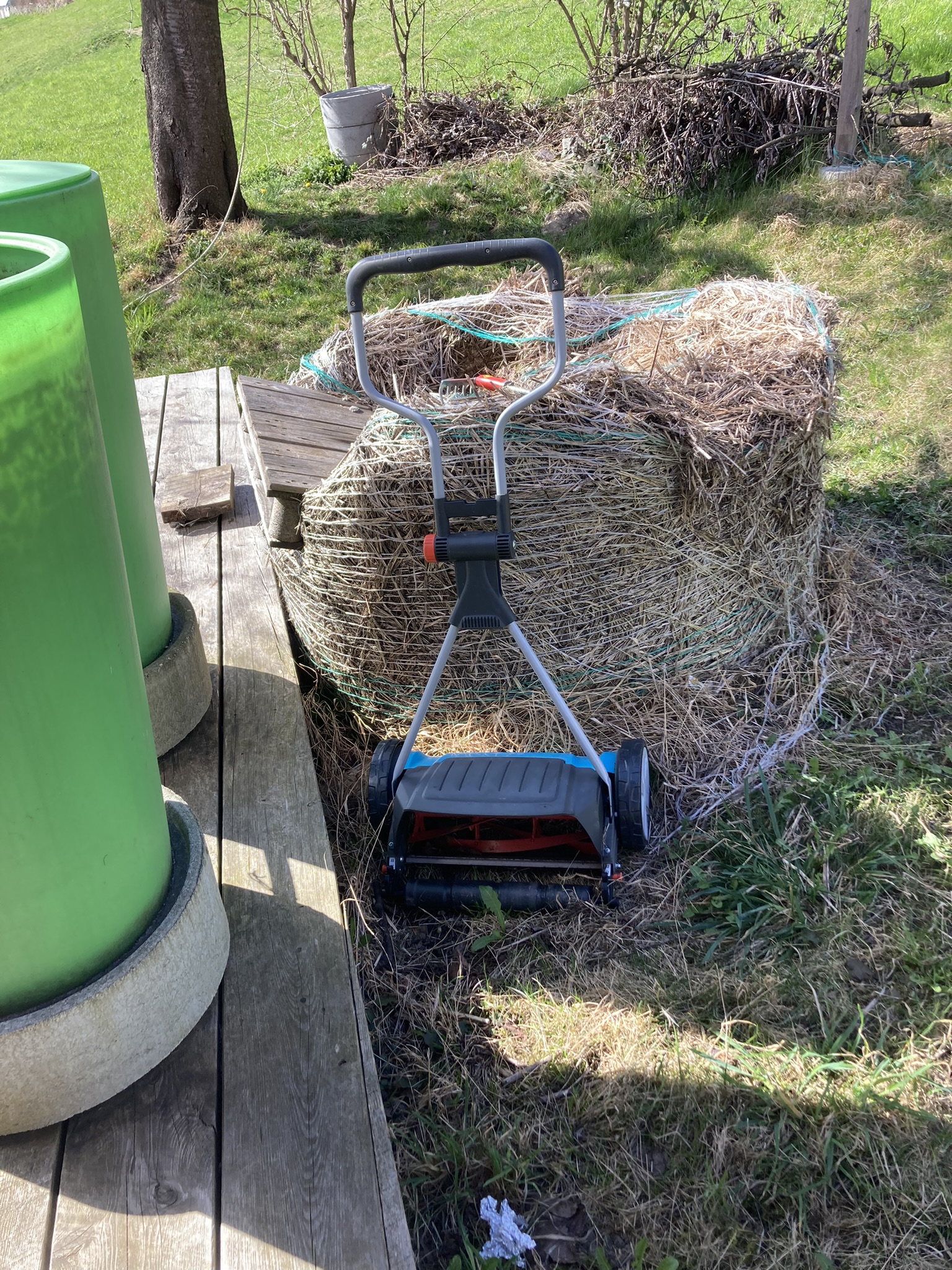
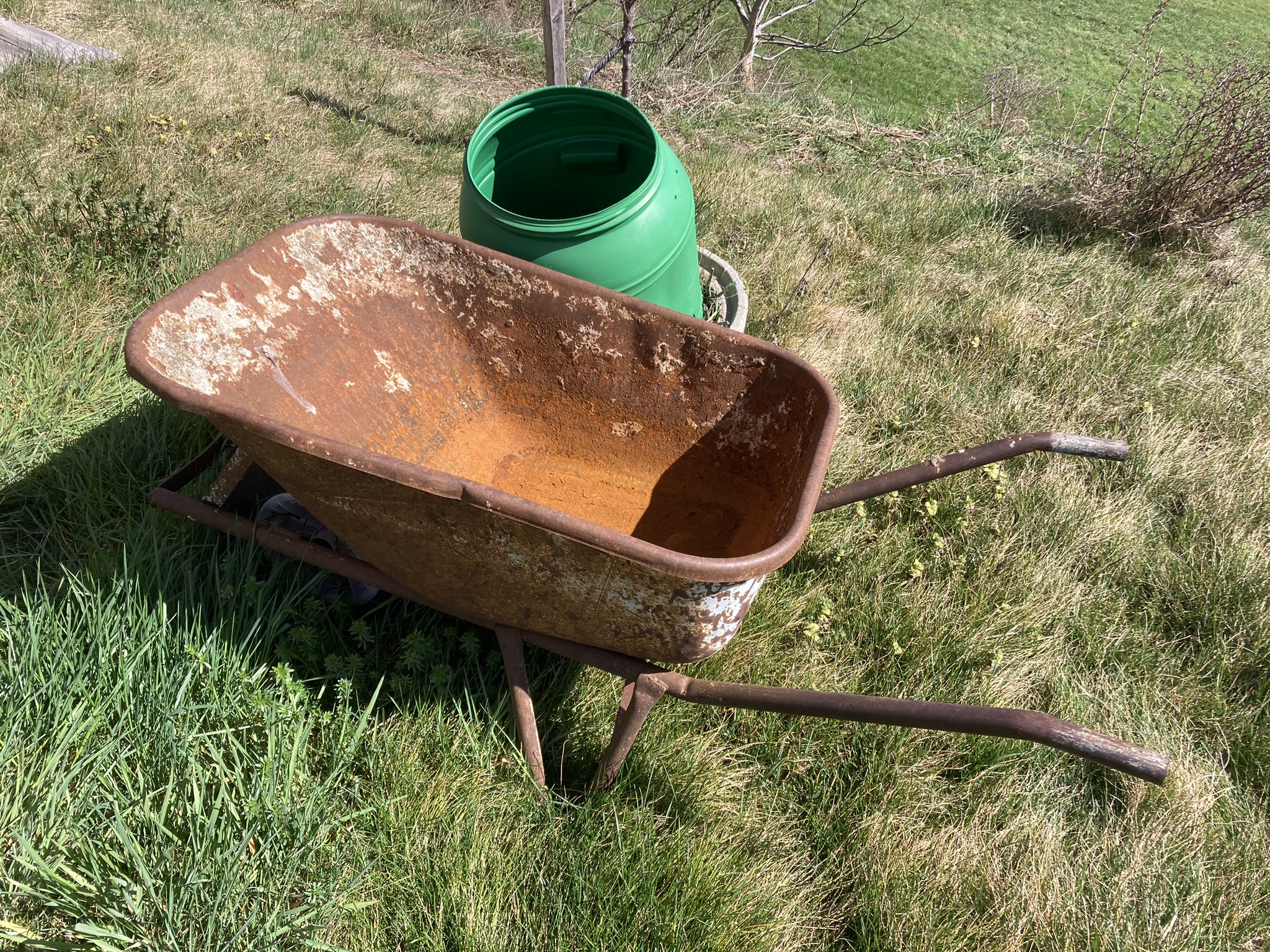
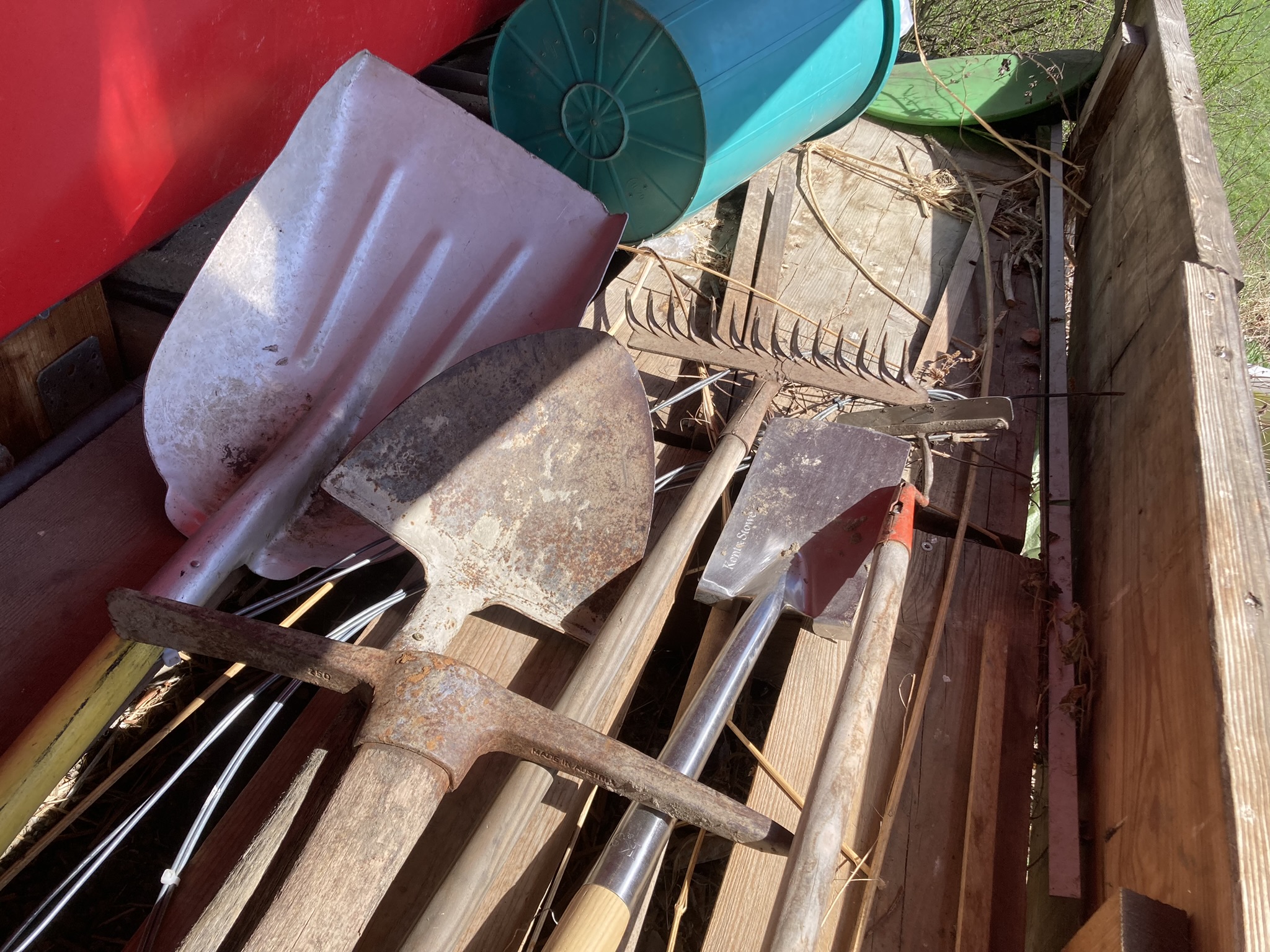
In April, the focus shifted to hands-on preparation for the growing season: necessary materials were organized, and the plots were further readied for the next steps.
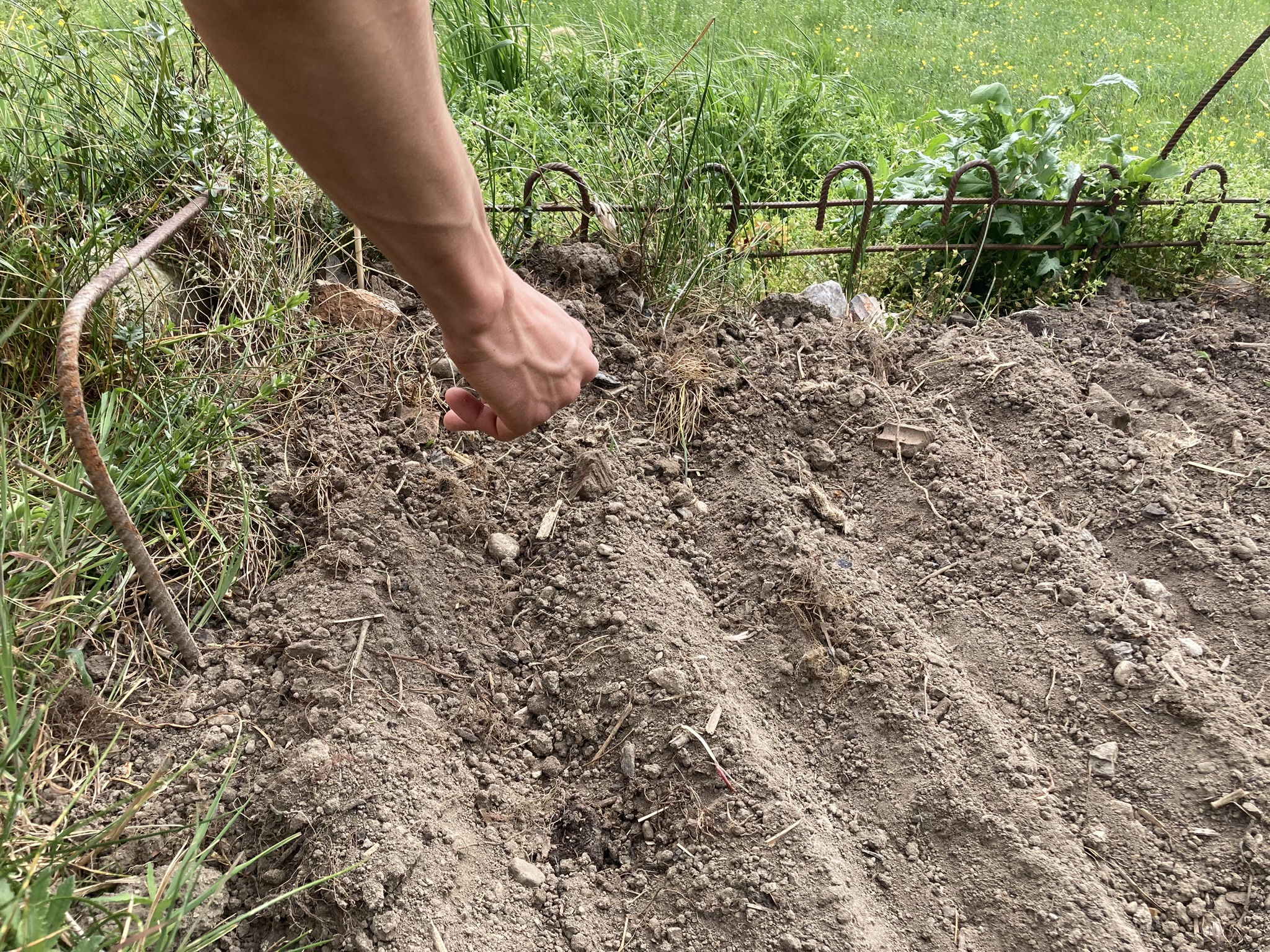
Toward the end of the month, we carried out the first planting/sowing actions for the early-starting crops, followed by thorough watering to support an even emergence.
May 2025
Farmers in Tirol historically tend to design their yearly duties with a special calendar, the “Bauernkalender”. This is especially important for us, as the Ice Saints (“Eisheilige”) tell, when to plant our flax and hemp the soil. The Ice Saints Days are usually a couple of days of colder weather, and this year, the Ice Saints have been from May 11th to May 15th. Feli started planting the seeds after this cold wave.
GROW…
June 2025
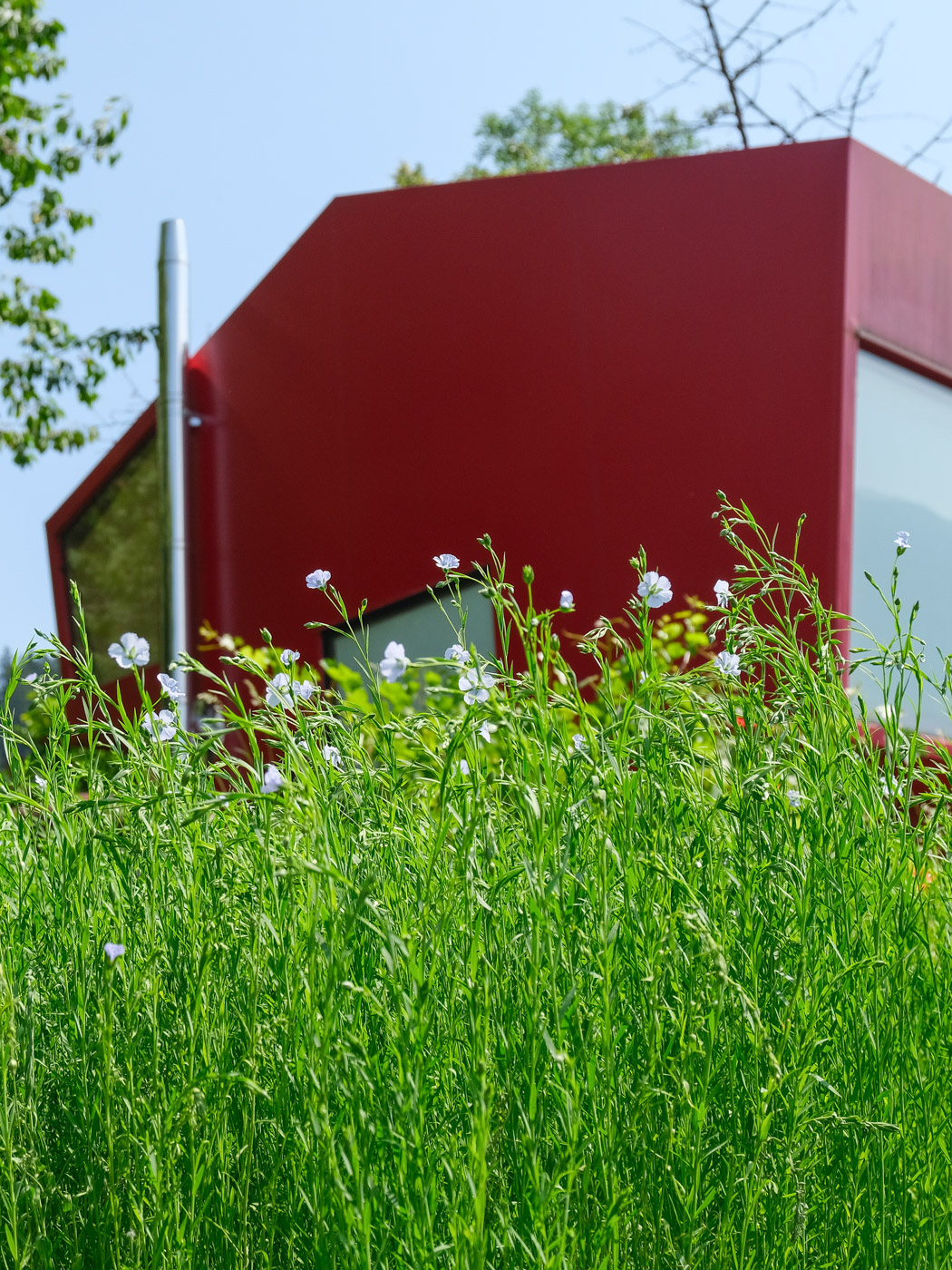
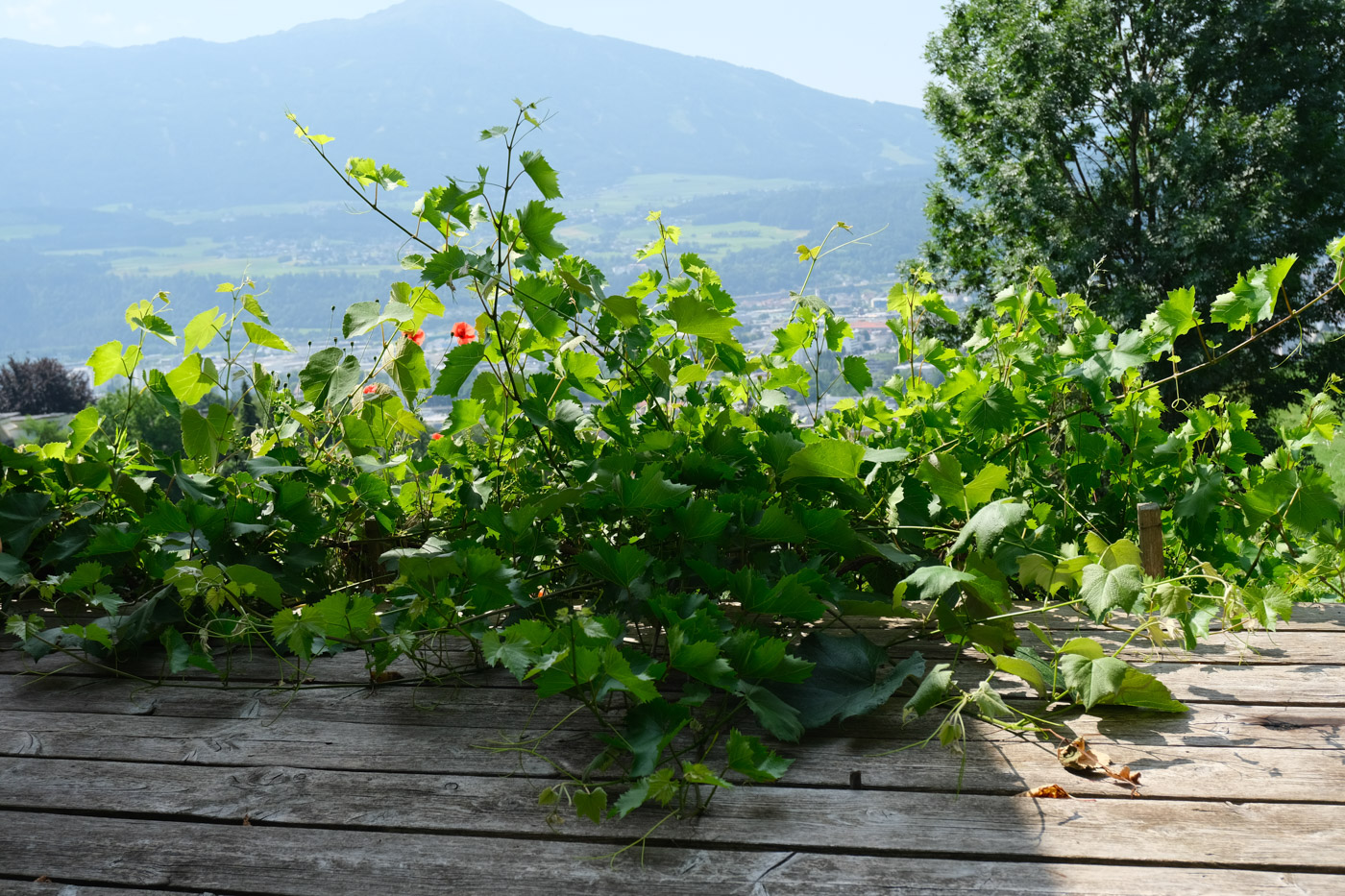
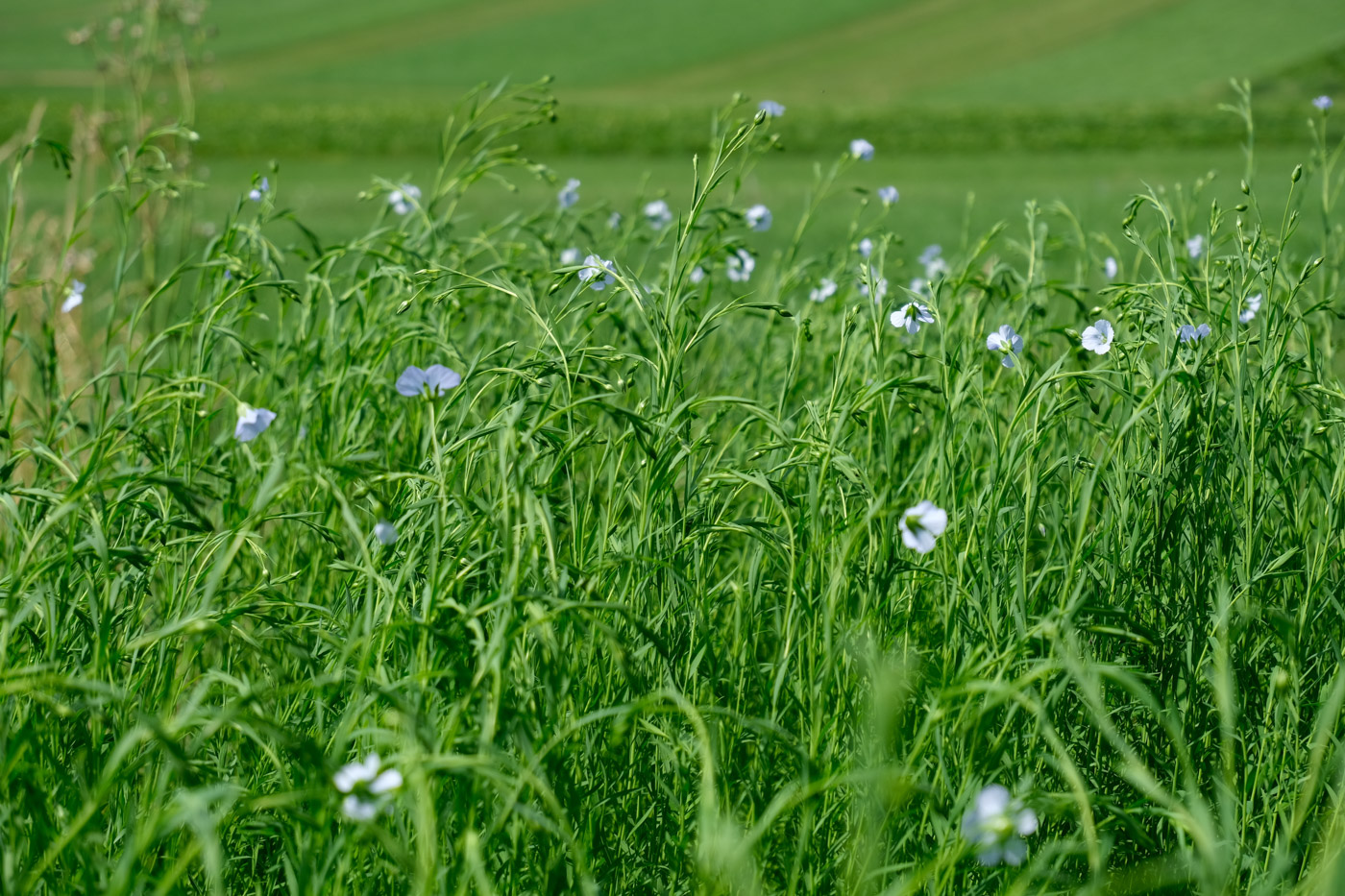
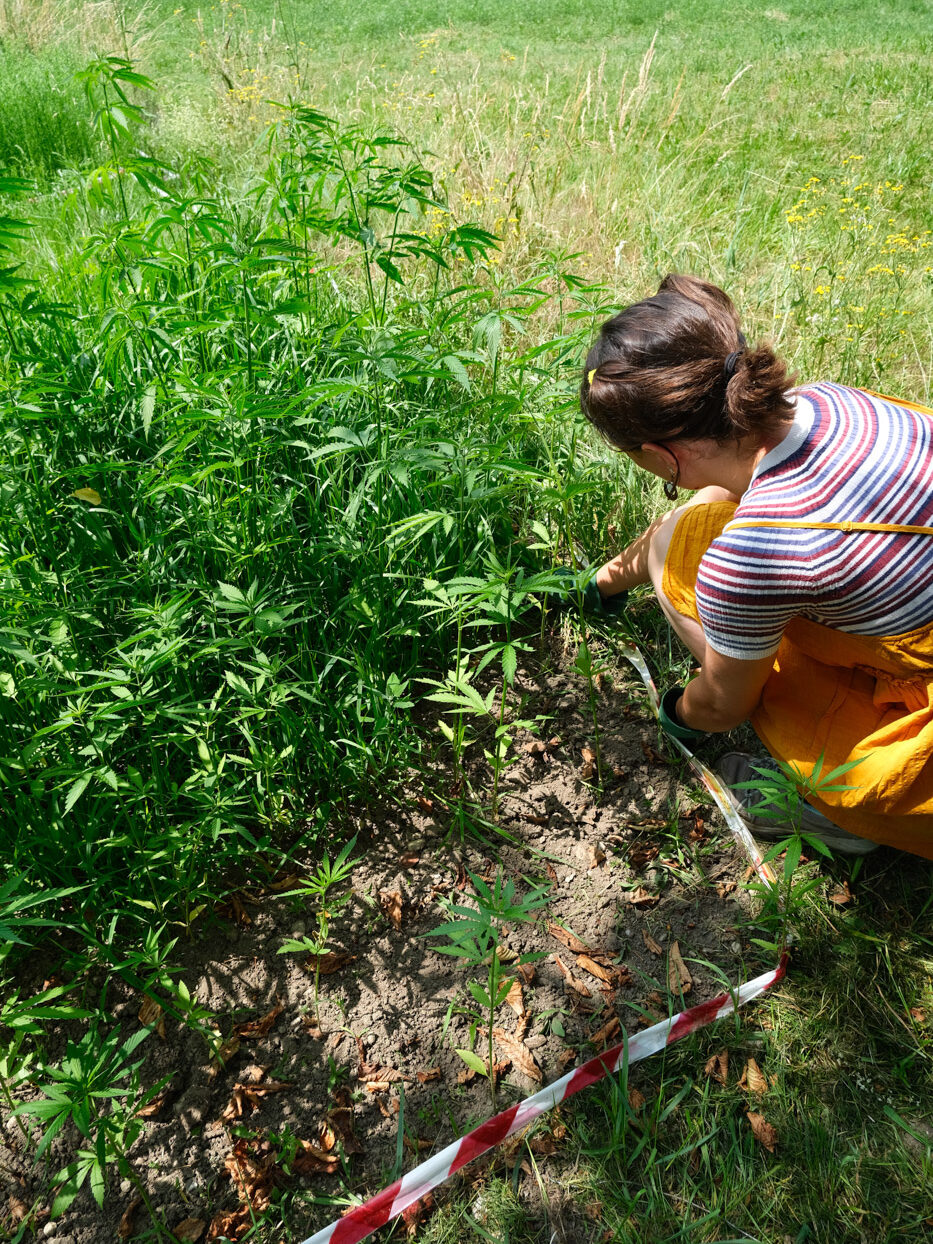
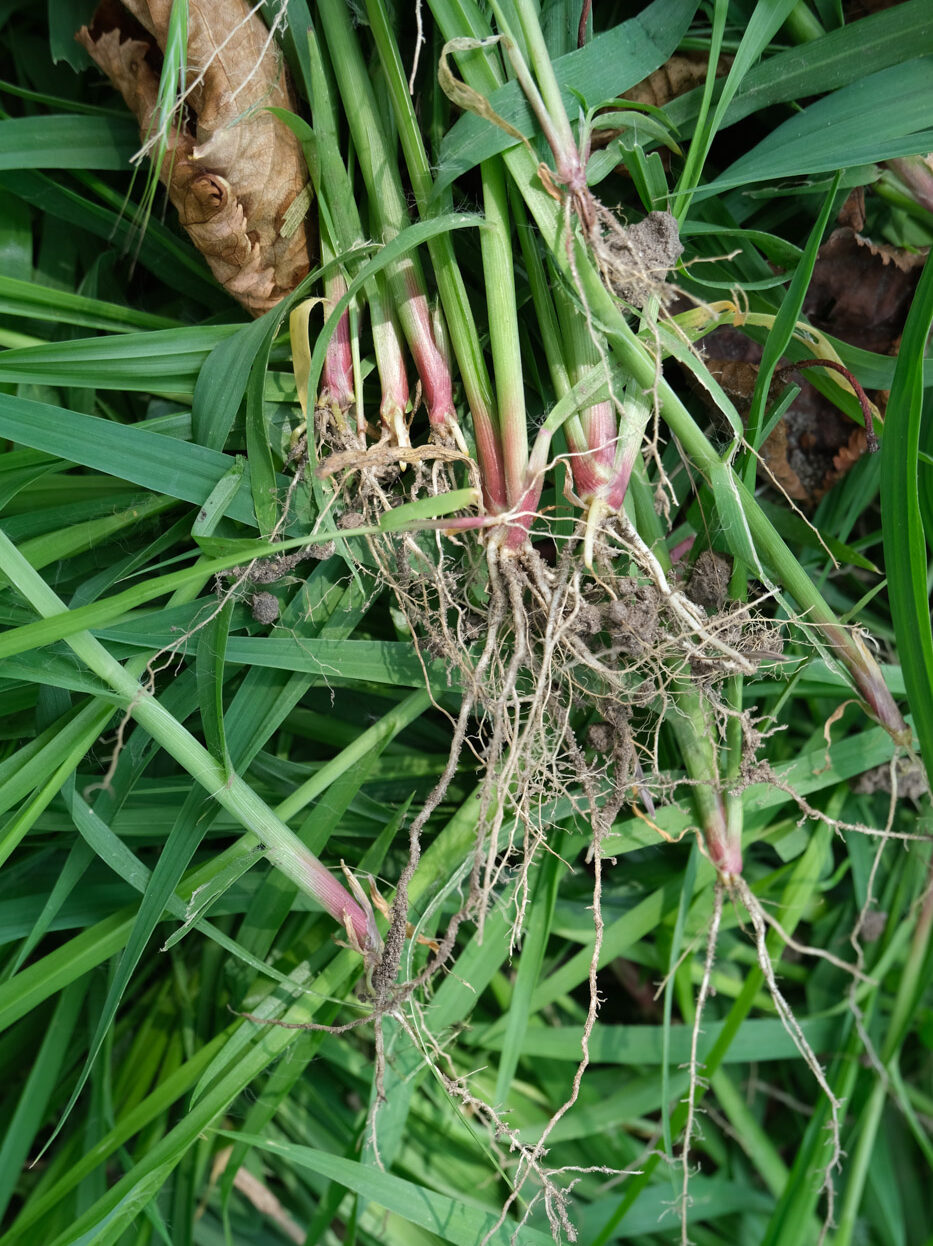
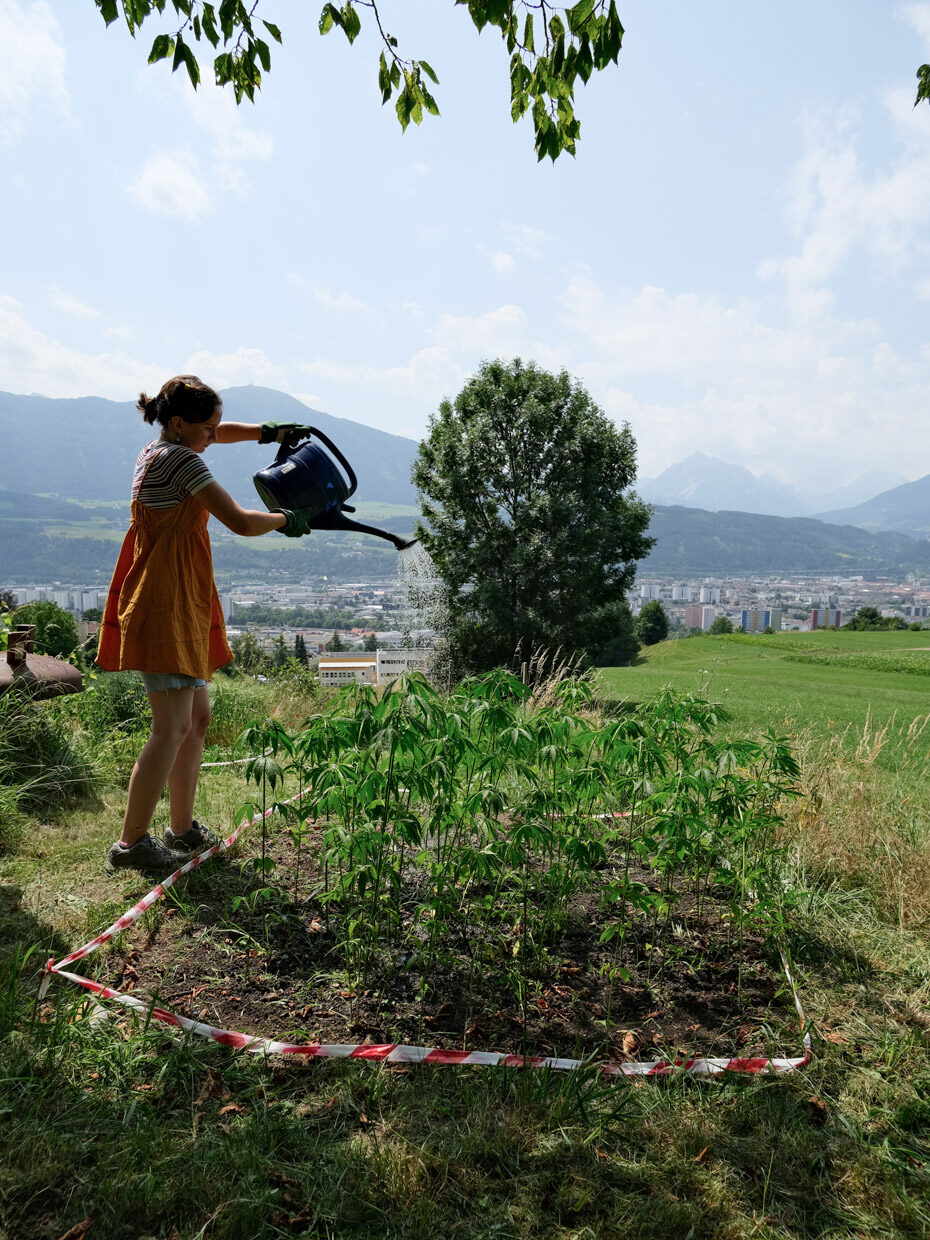
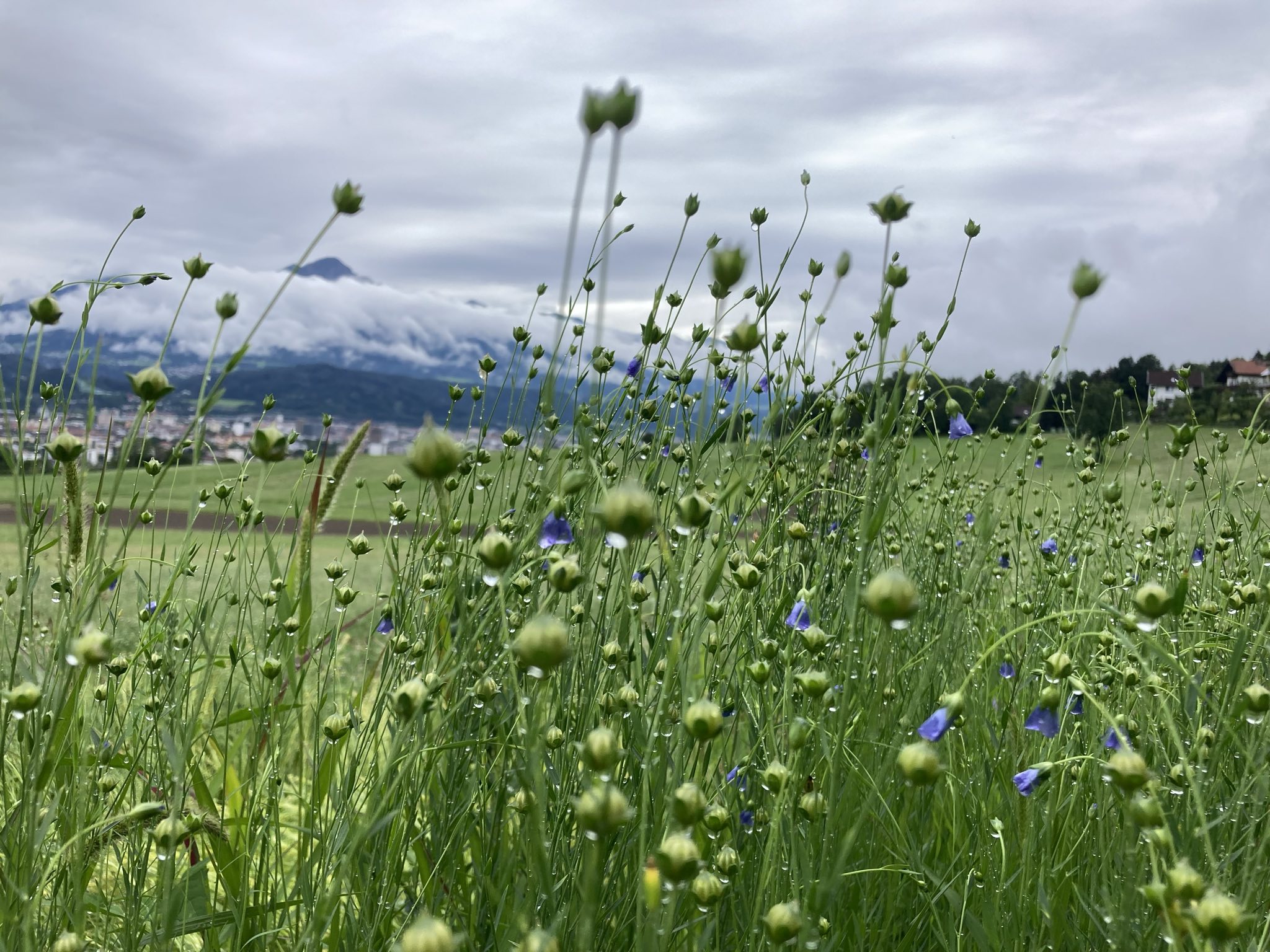
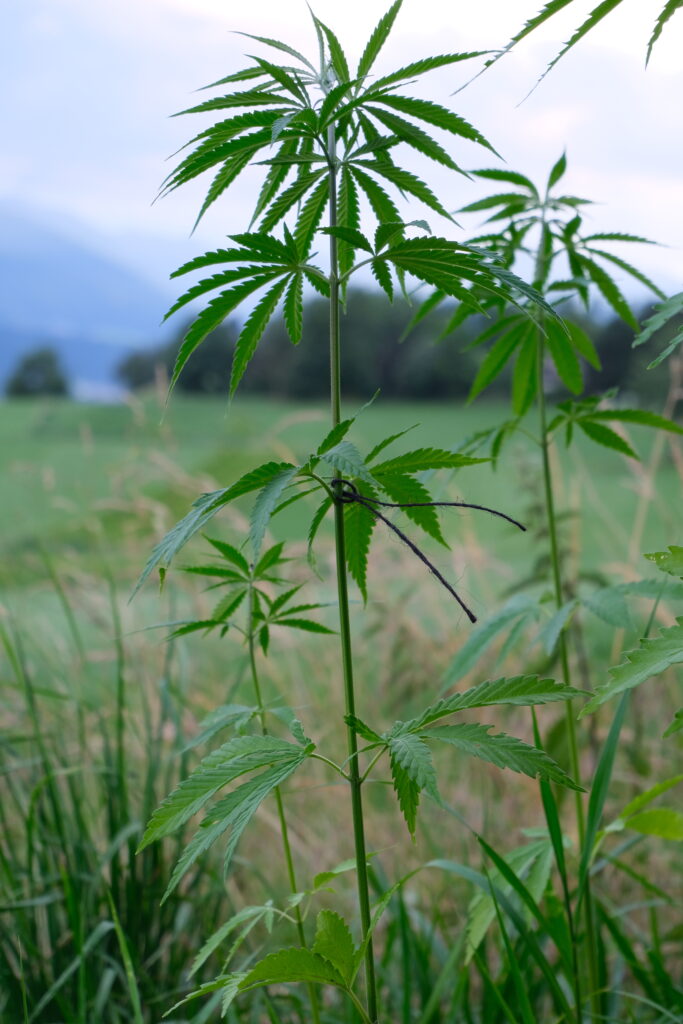
In general, the summerhouse was left to its own devices. The plants were watered once a week – when it wasn’t raining – but June greeted us with midsummer weather. The hemp was fertilised with home-made nettle slurry and the beautiful Patscher flax started to blossom. At the end of the month, we also plucked the grasses that had taken root between the hemp plants.
July 2025
While June already felt summery, July was noticeably wetter, which affected day-to-day maintenance and slowed development in some plots. During our regular site visits and documentation, we also observed increased wildlife activity, which led to losses in parts of the field.
MONITORING
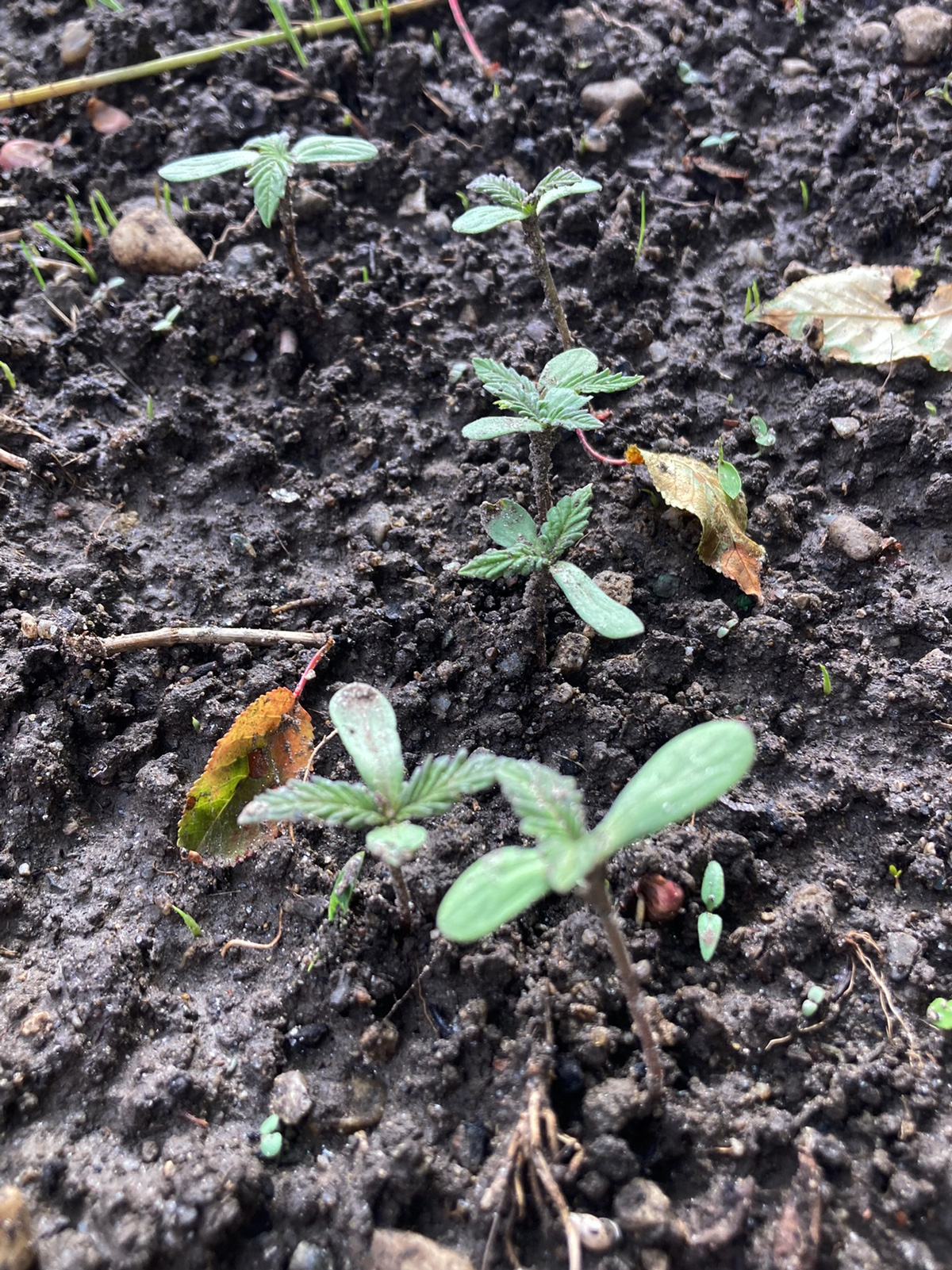
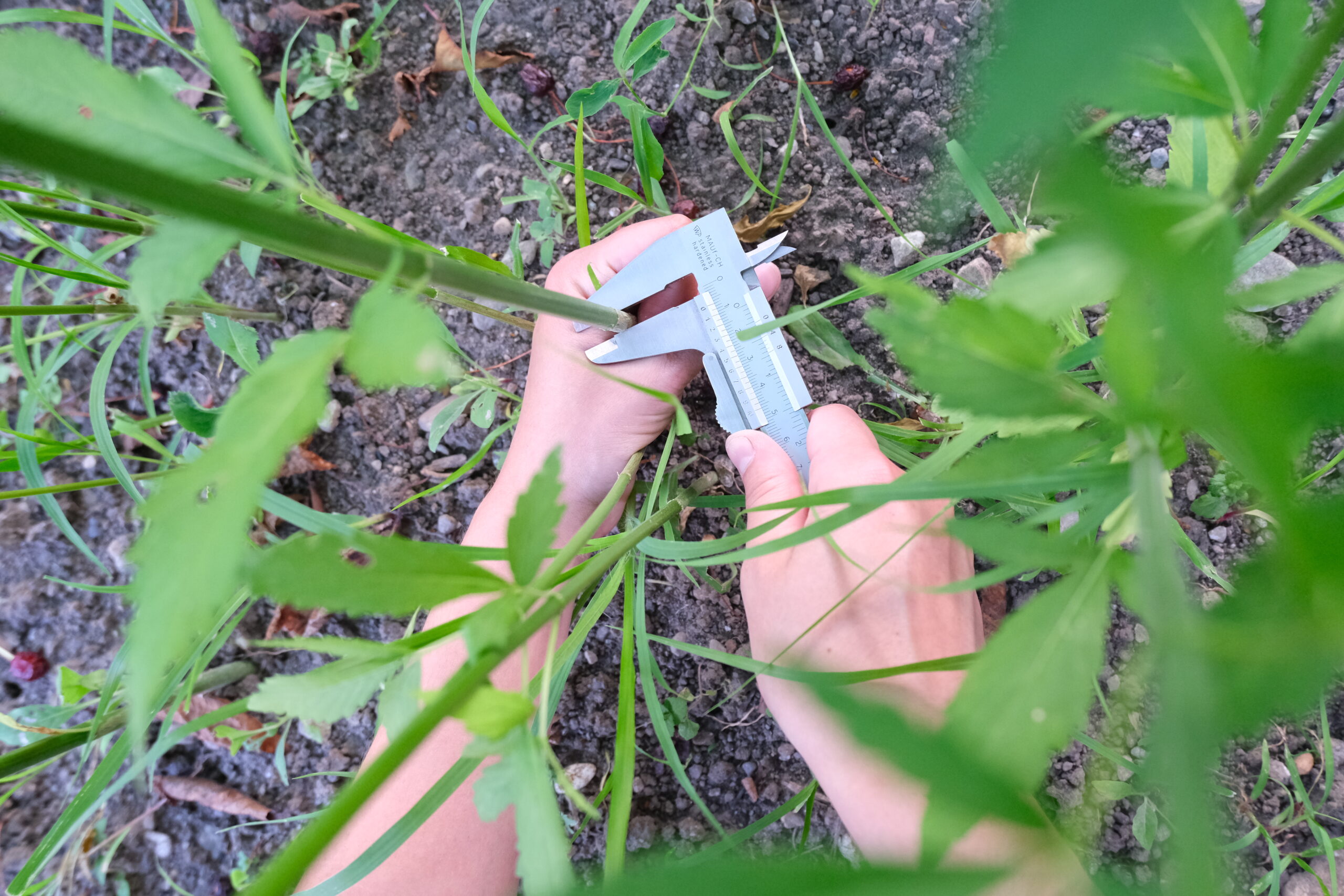
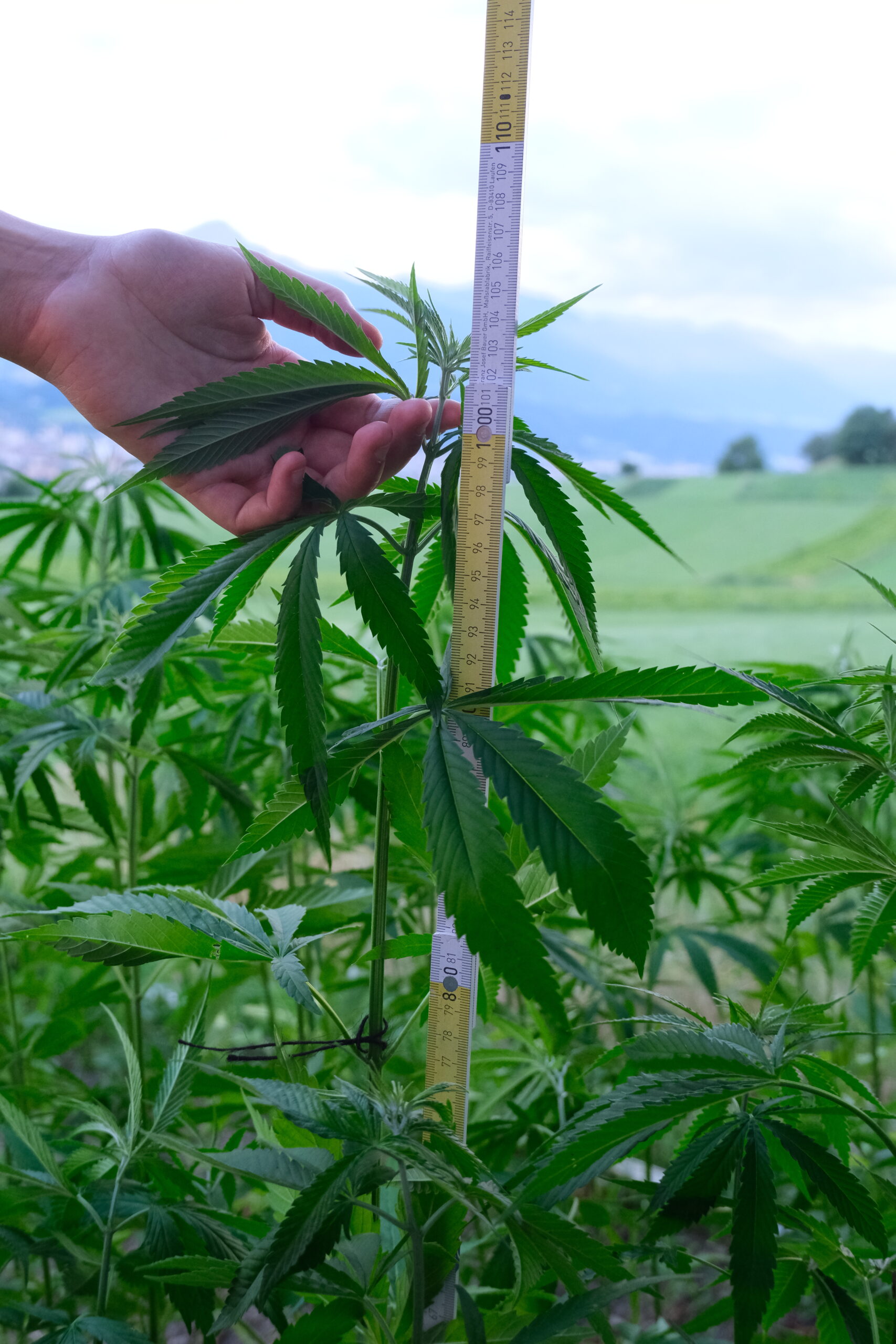
To better track hemp development, we monitored growth rates by measuring stem diameter with a caliper and stem height with a measuring stick.
We followed three representative plants—the smallest, the tallest, and a split-stem plant—to observe differences in growth dynamics over time.
Despite these typical outdoor variables, the regular checks and notes helped us better understand how weather conditions, grazing pressure, and site accessibility influence small-scale test plots—and which measures, such as clear plot boundaries, consistent monitoring, and simple protection, are most useful for future iterations.
August 2025
From August onward, we harvested the plots in several rounds, depending on each crop’s ripeness. The collected material was brought to the GROWNlab, where we tested different drying approaches to evaluate handling and processing quality.
After drying, the plants were further processed, including separating stems, seeds, and other fractions. These materials have already started to feed into our ongoing experiments and will continue to be integrated into upcoming tests over time.